
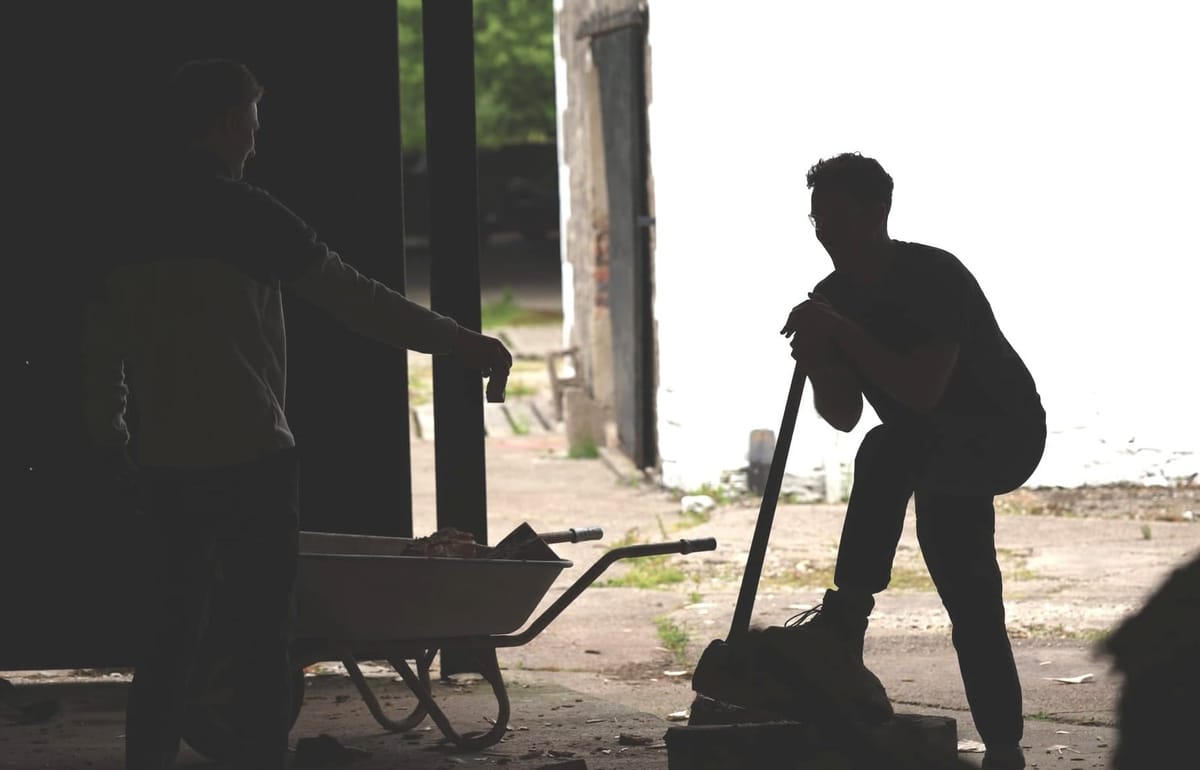
WWOOFing stands for Worldwide Opportunities on Organic Farms. The basic premise is that volunteers help out at a farm or smallholding and, in return, are provided with food and accommodation. It’s not purely about the exchange of labour for room and board, though. It is also a cultural exchange where, through living and working together, both parties learn from each other.
Starting out
Prior to moving to Glenshellish, we were already familiar with the concept of WWOOFing, or similar platforms like HelpX or Workaway. We had friends who had hosted WWOOFers and friends who had been WWOOFers, and what we saw always looked culturally and socially enriching for both sides.
While neither James nor I had officially WWOOFed before, I had spent time living and volunteering on farms in a similar way while in South Africa and Namibia.
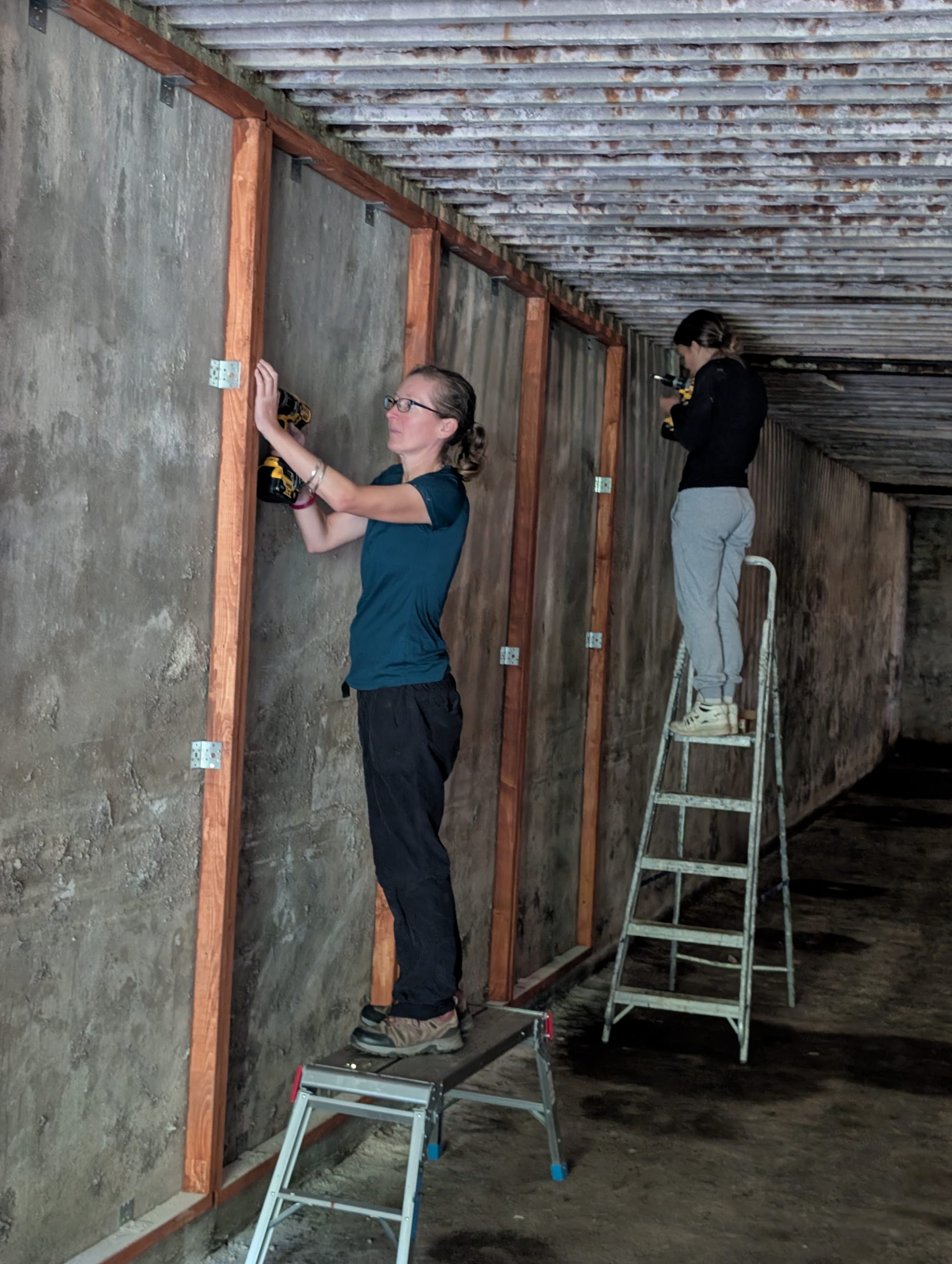
So when spring came in 2025 and we started thinking about tackling the first stages of reviving Glenshellish, WWOOFing came to mind as a natural solution. While we couldn’t offer insight into a fully operational farm, we felt that we could share the experience of setting up, of beginning to figure out how to be the best stewards for this piece of land and history that we could be.
We created our profile, scheduled calls, and eventually welcomed people from around the world to share in the early days of Glenshellish with us.
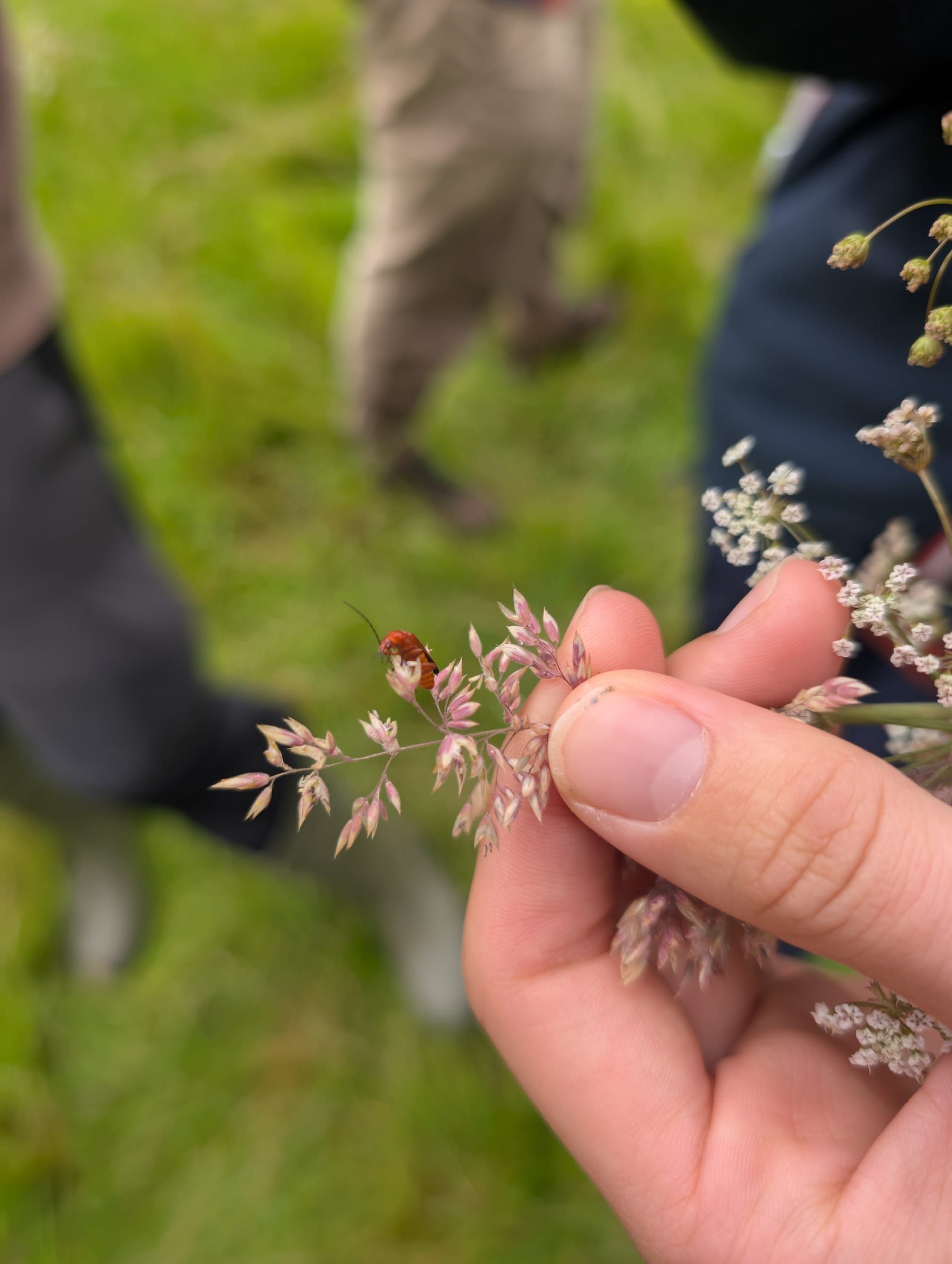
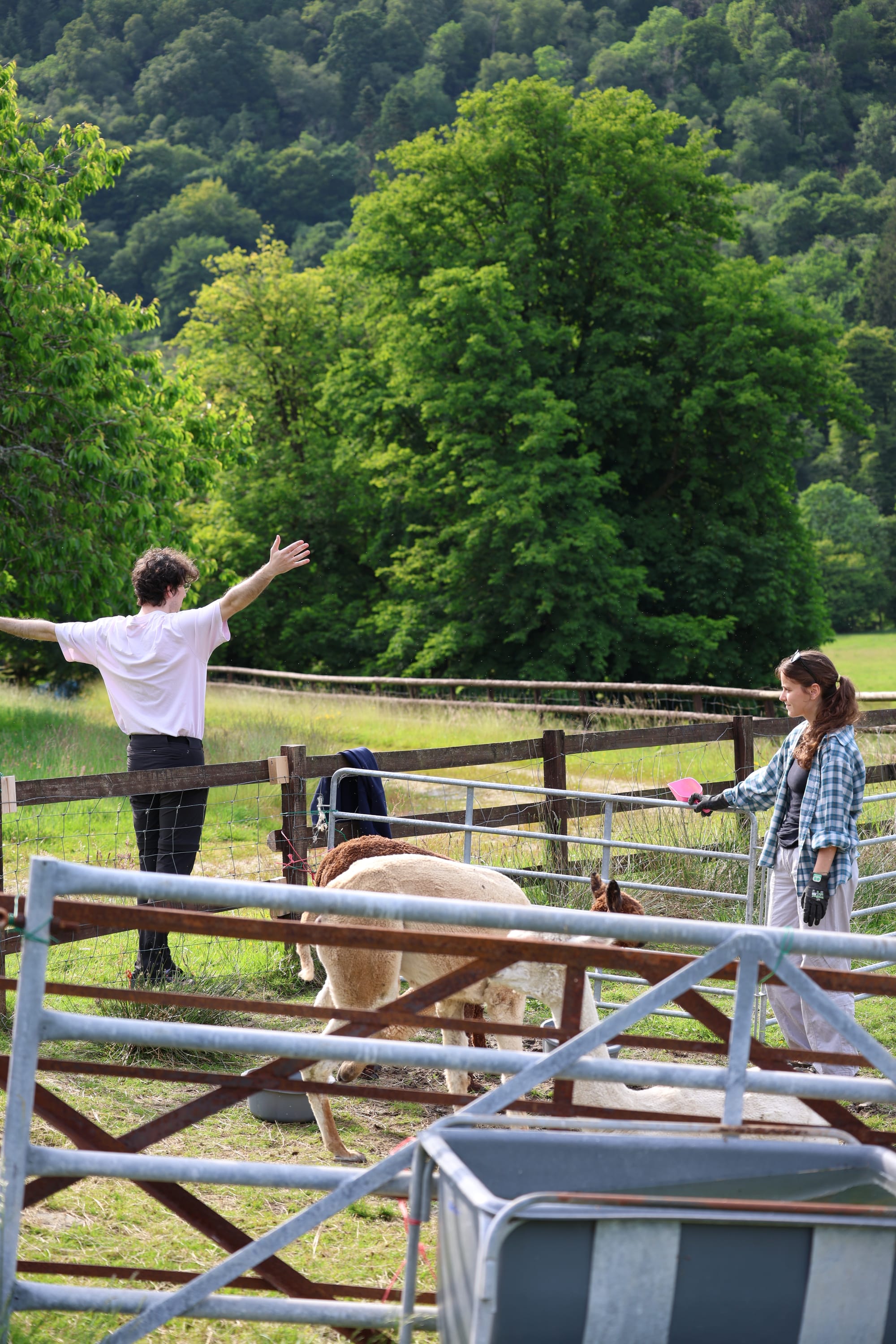
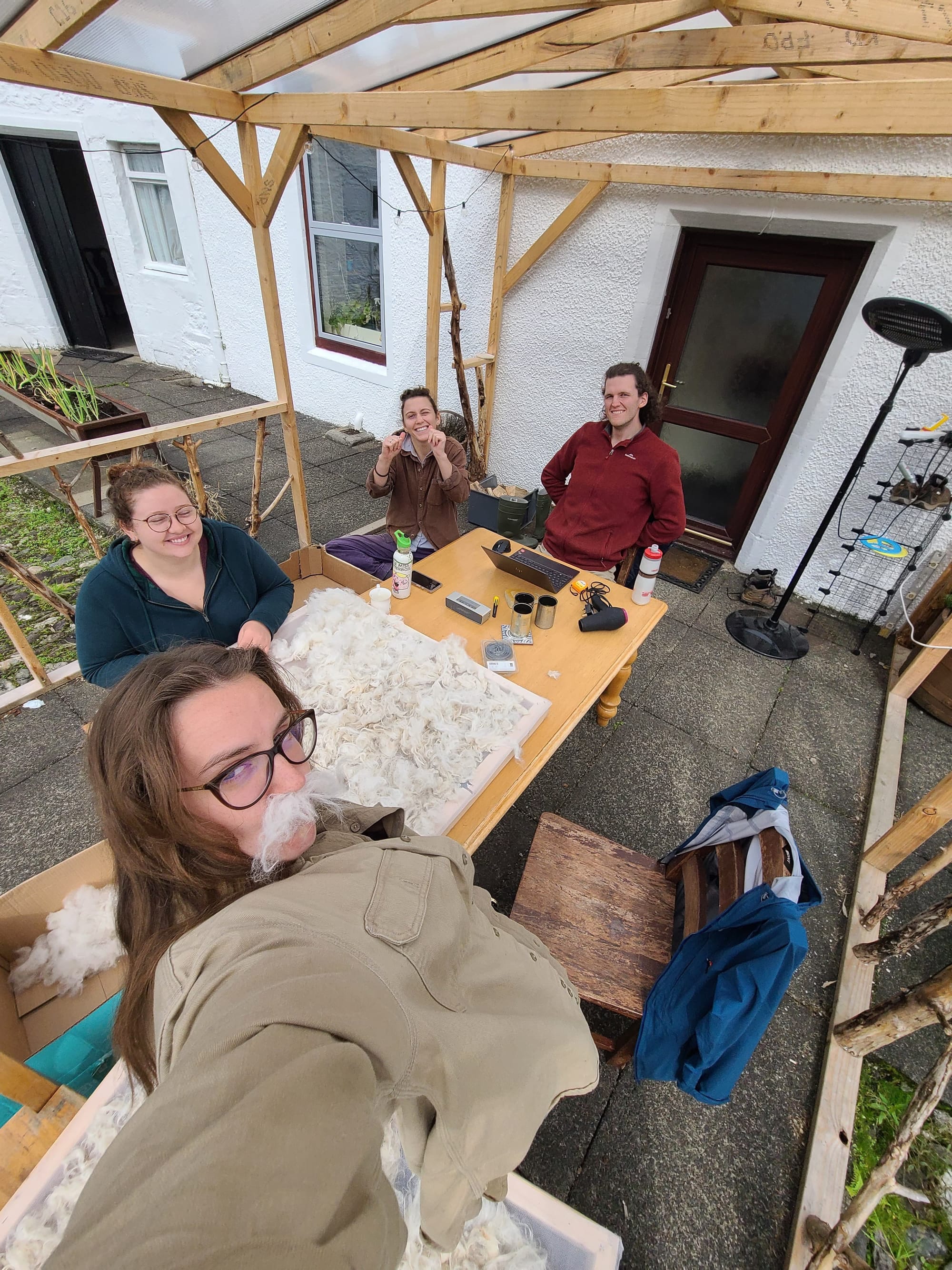
Surprises and what we learned
Going into this, I was very aware that I am an introvert who hates nothing more than people turning up at my house unannounced for a social call. In our video calls, I always made sure to mention that I am an introvert and that I might not always be around because I need space. I was honestly quite anxious about how I would feel with strangers living in my house.
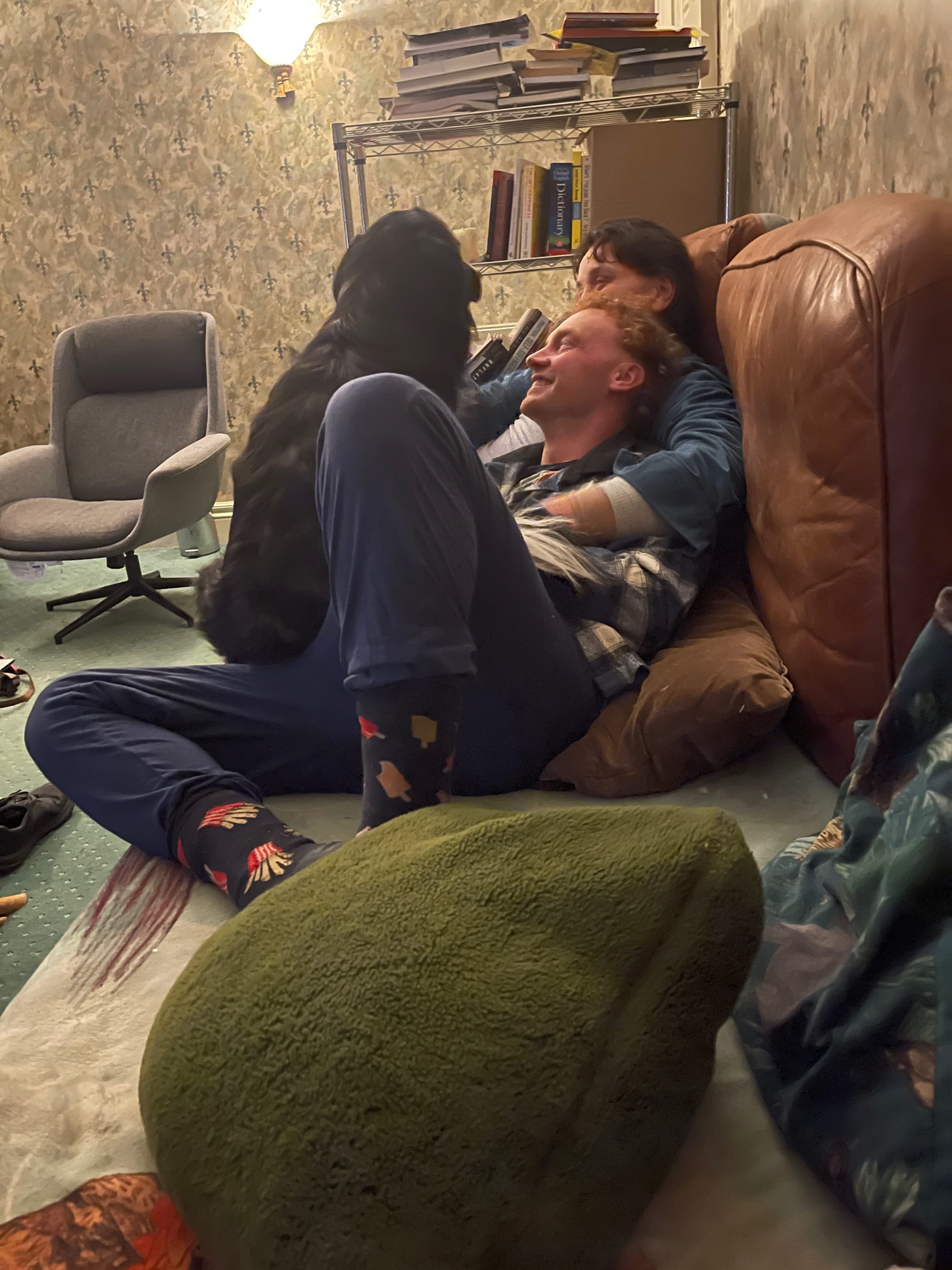
Much to my surprise, living in this way came much more easily to me than I had expected. I suspect part of that is because people who choose WWOOFing are already somewhat self-selecting for shared values. And ultimately, most people are probably feeling more apprehensive about staying in someone else’s home than I am about hosting them. You can bond over being slightly awkward together.
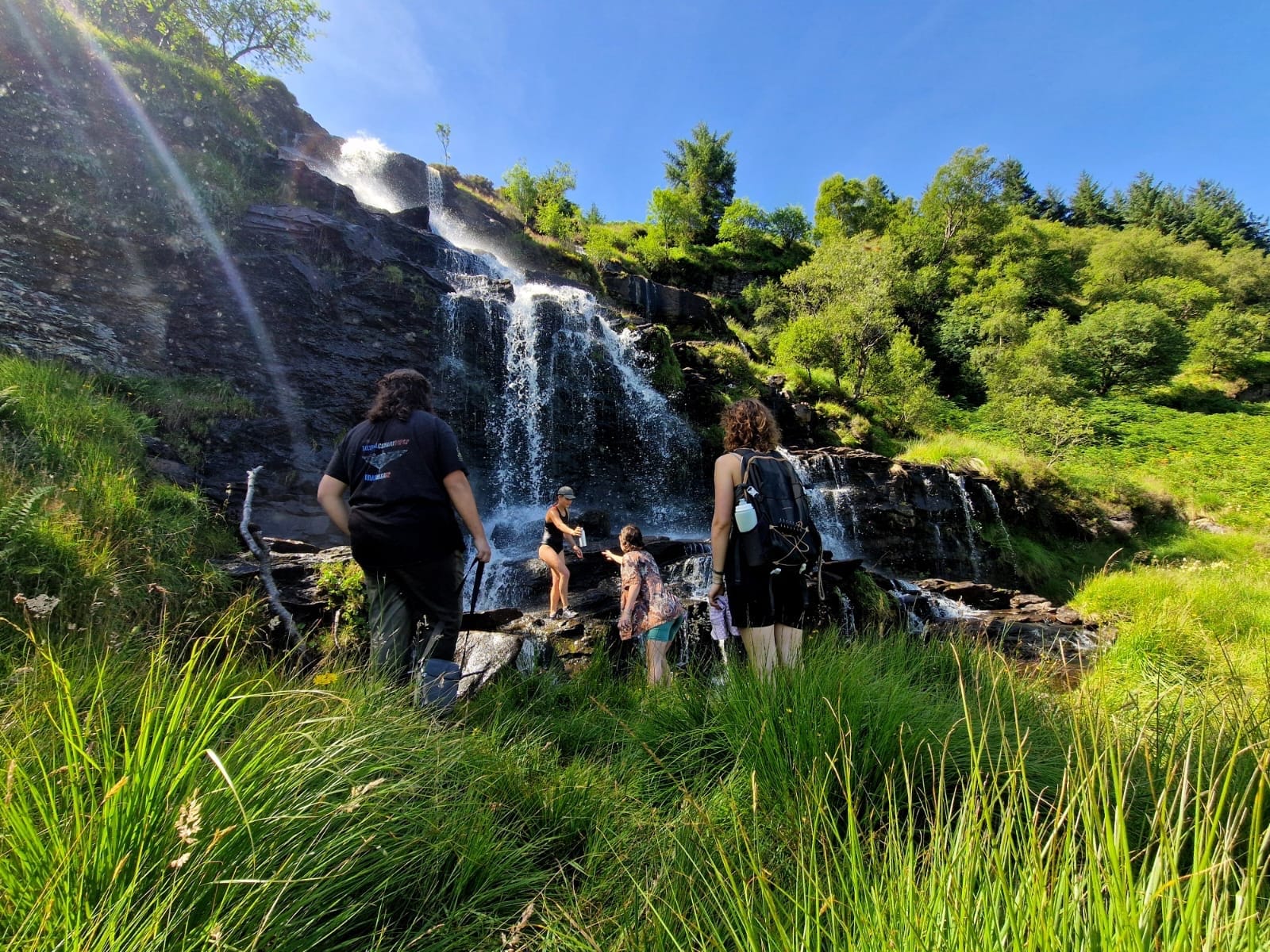
Very quickly, we learned a great deal about living at Glenshellish by sharing it in this way.
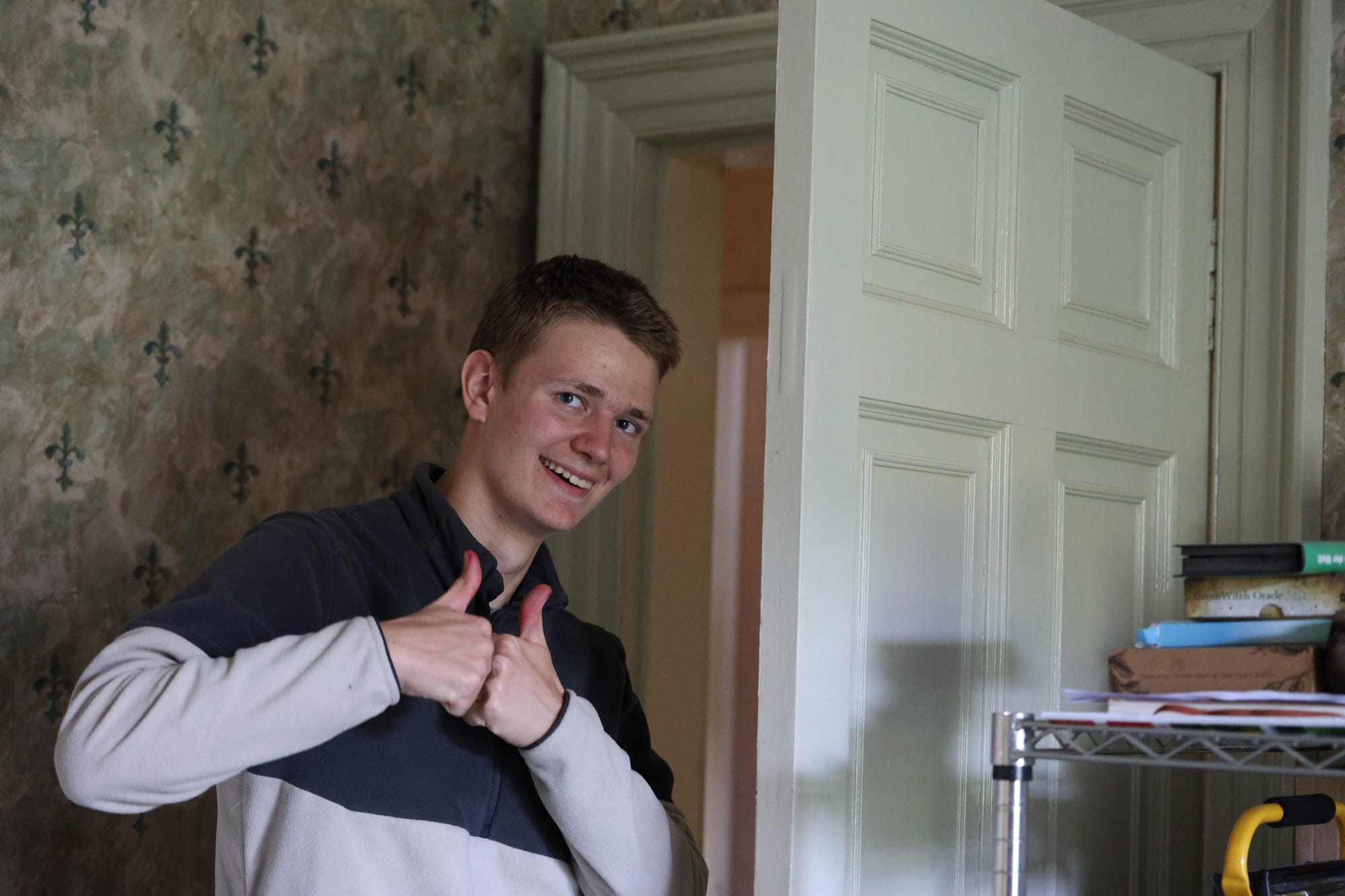
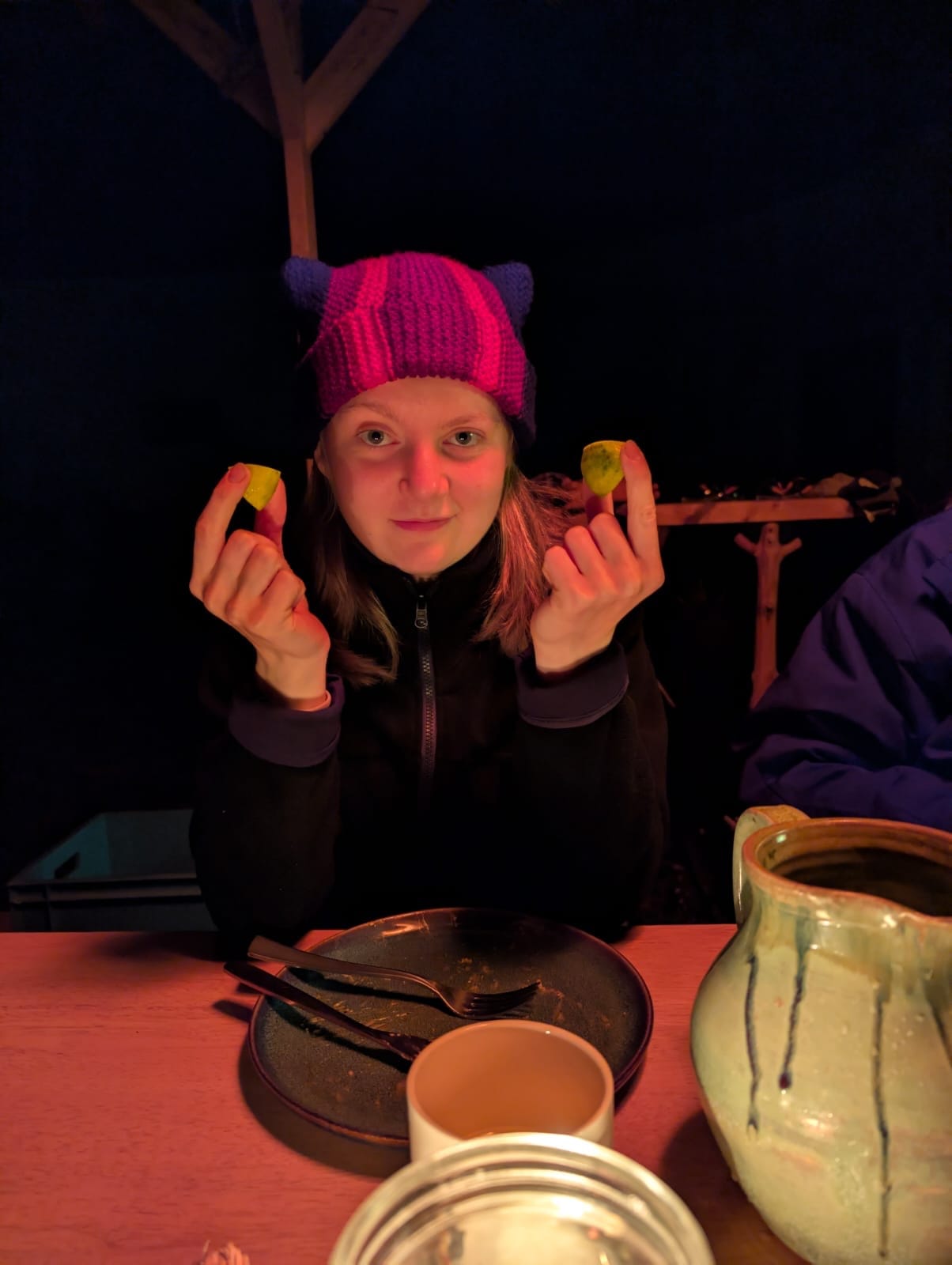
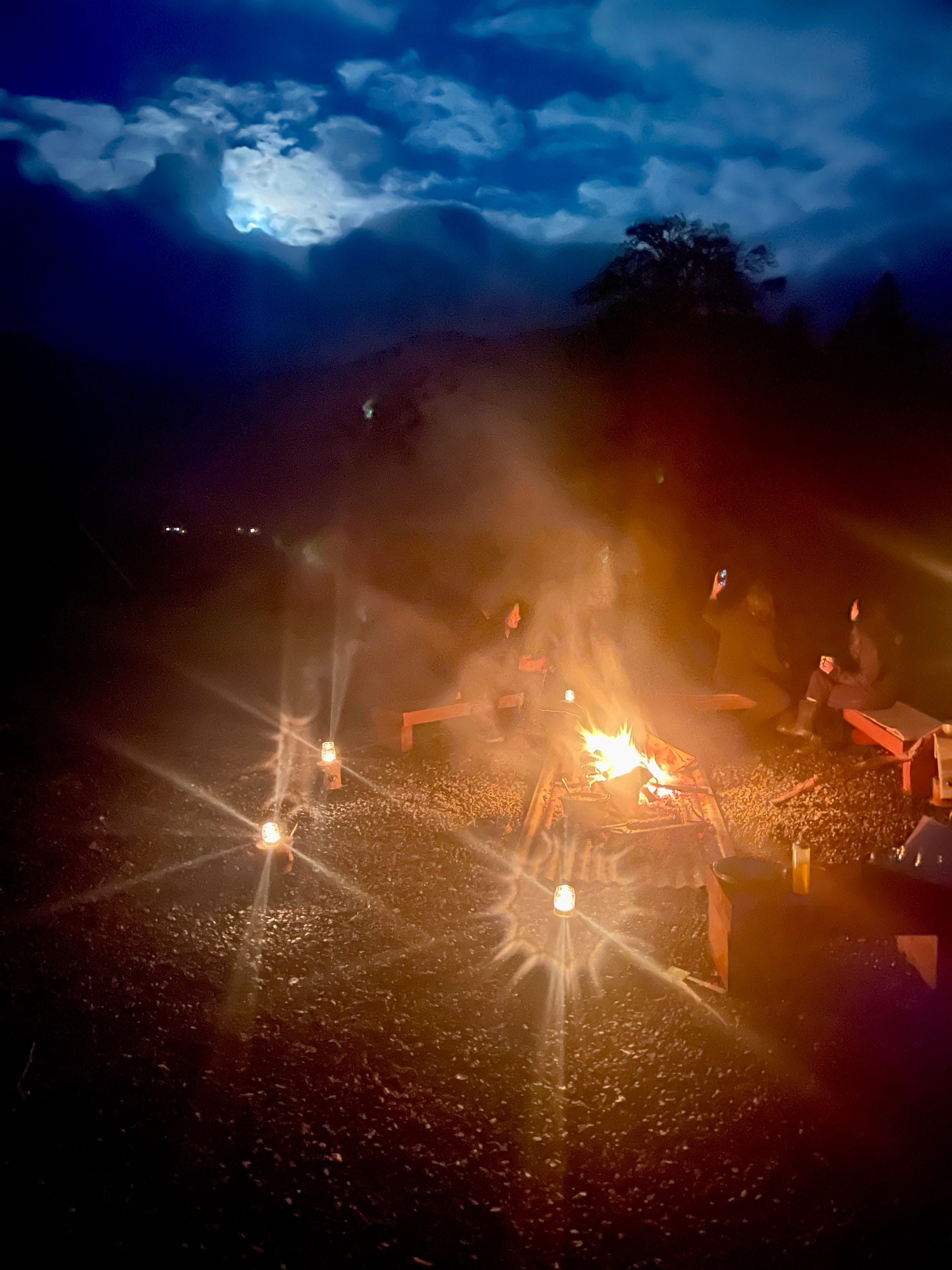
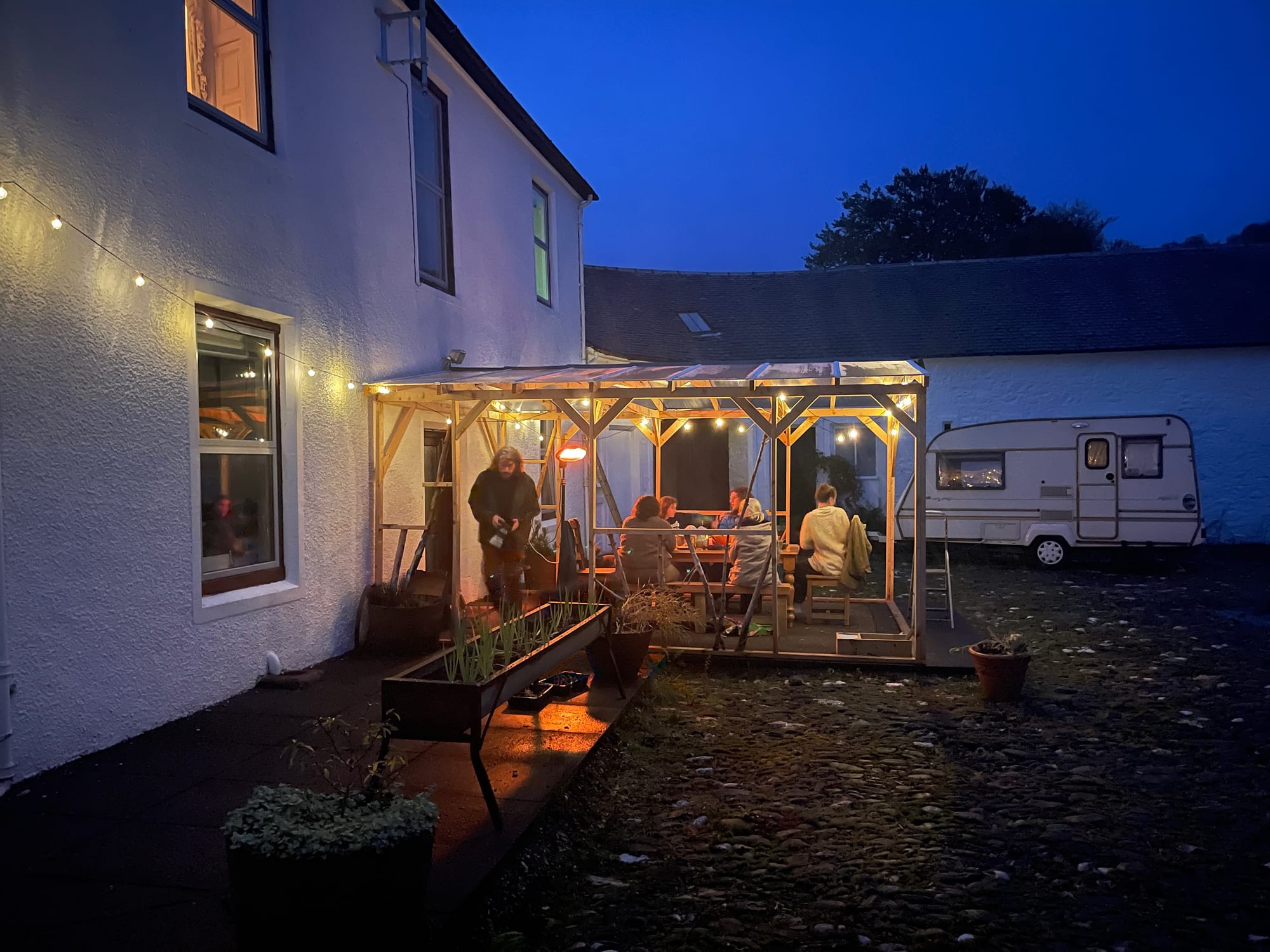
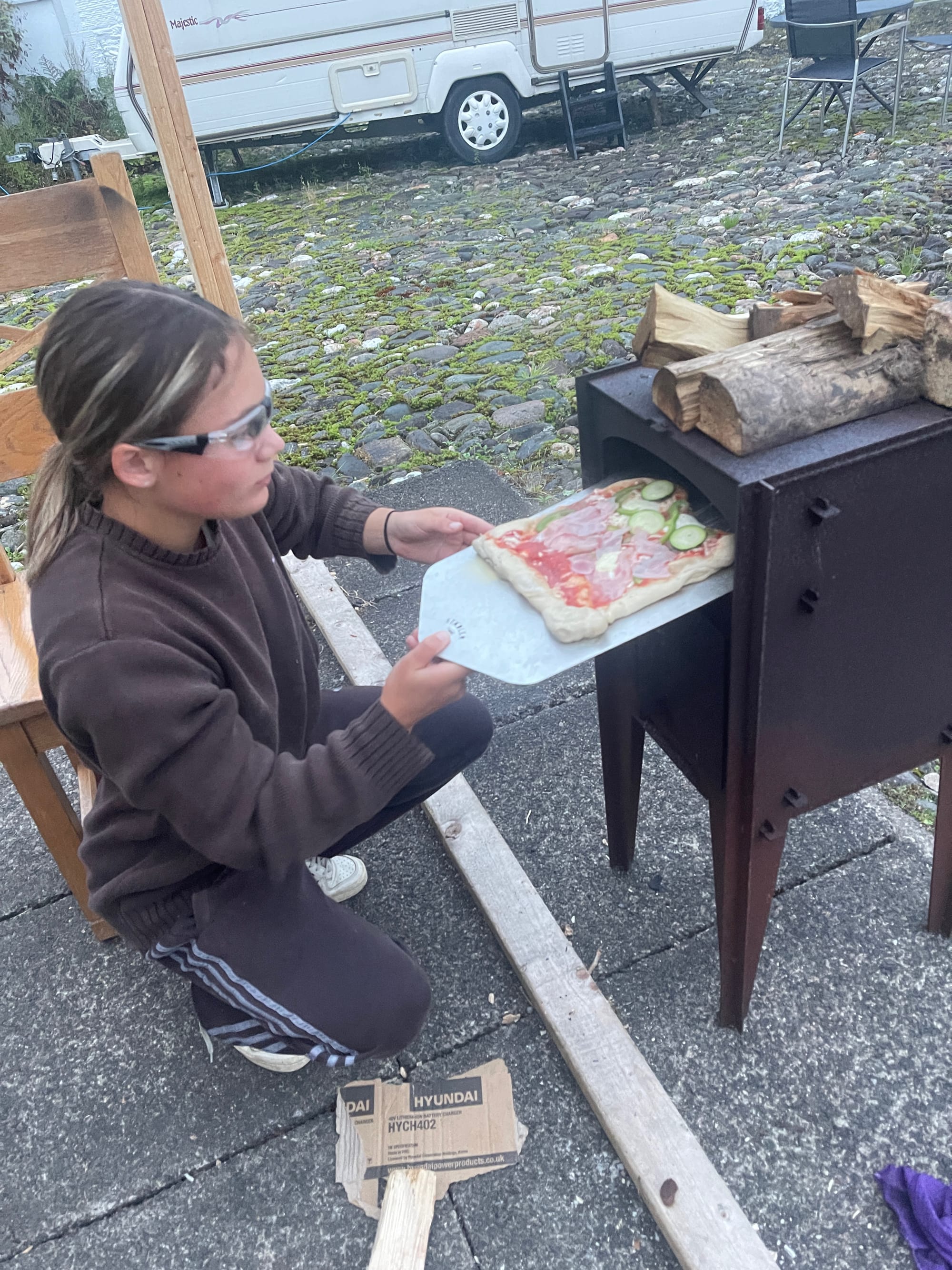
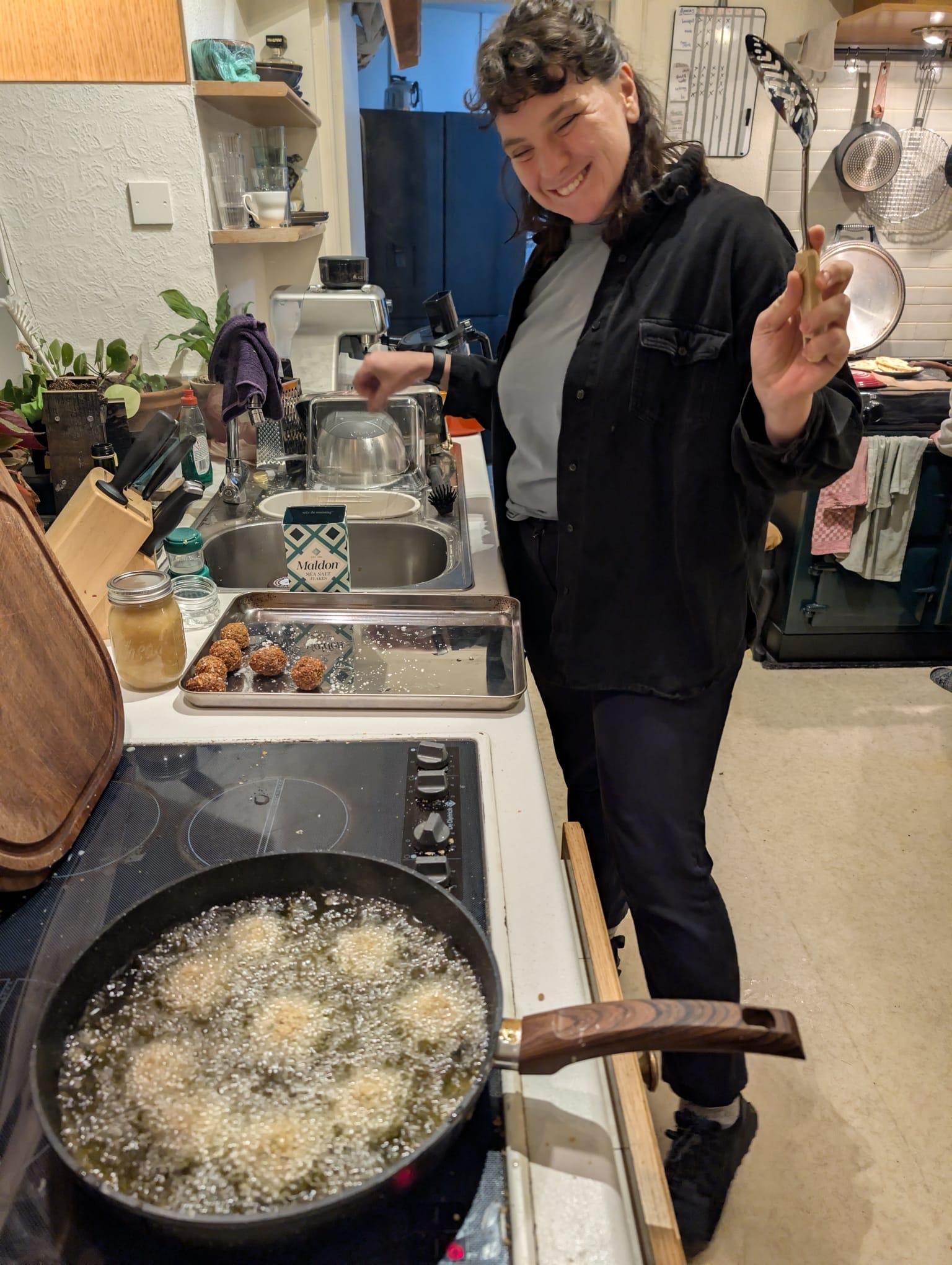
On a practical level, I learned how much food men in their early or mid-twenties can (or need to) consume. As someone who grew up in a family made up almost entirely of women in my generation, this was a shock to me. More importantly though, it helped me understand cooking together, eating together and taking care of a space together as shared rituals of human-ness. It brought a deeply felt realisation of how important human connection and collaboration are for the soul of a place.
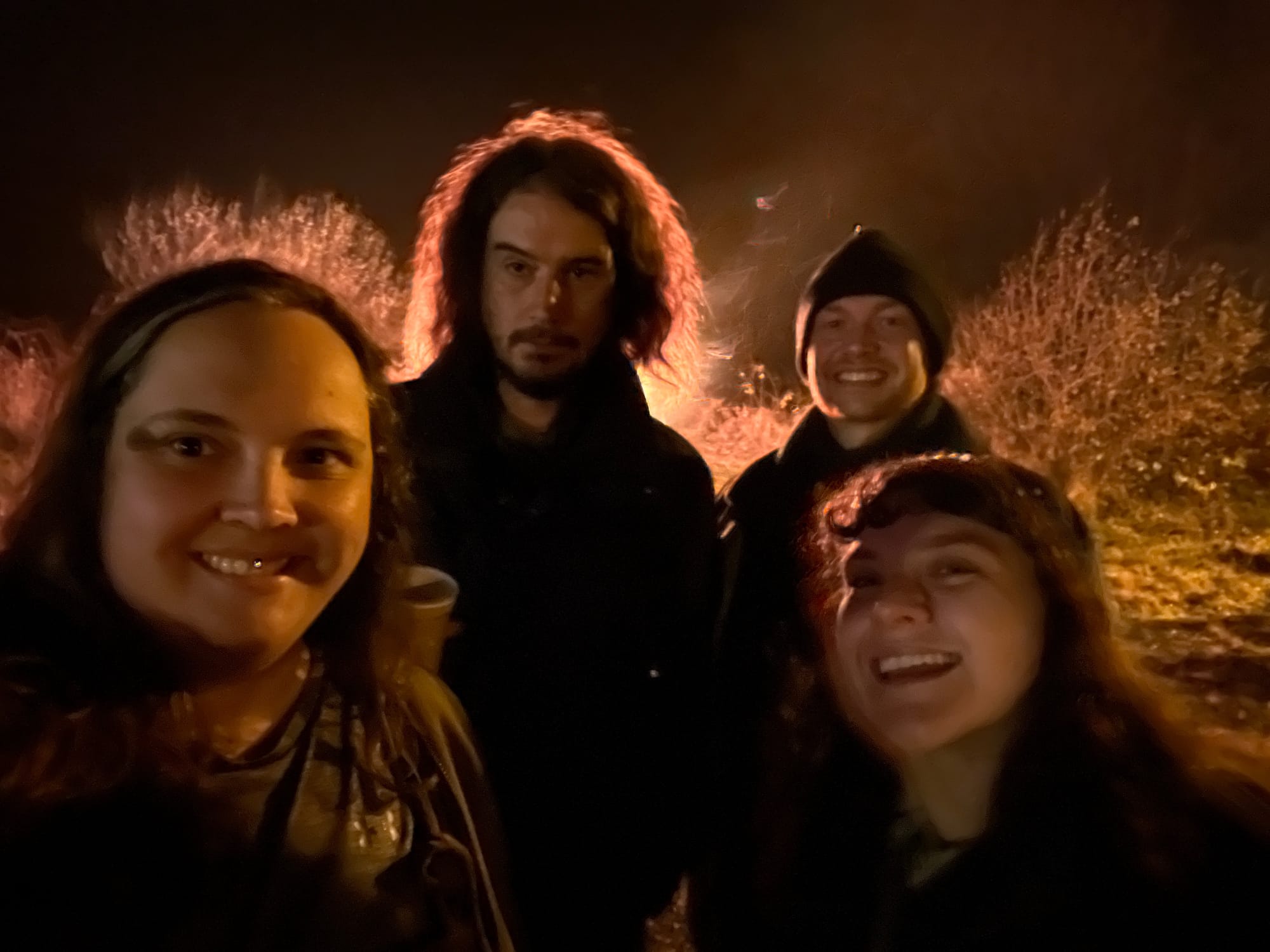
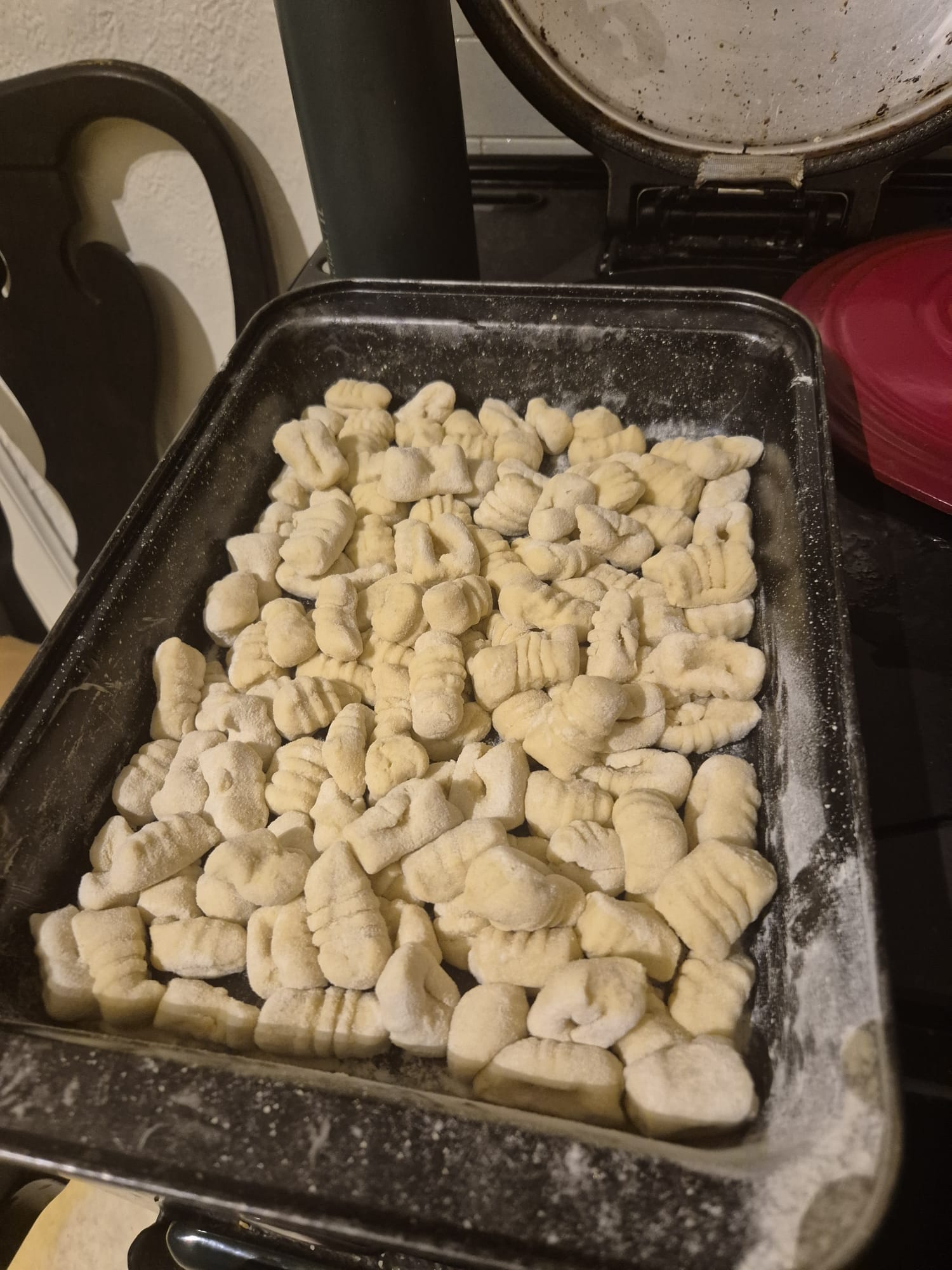
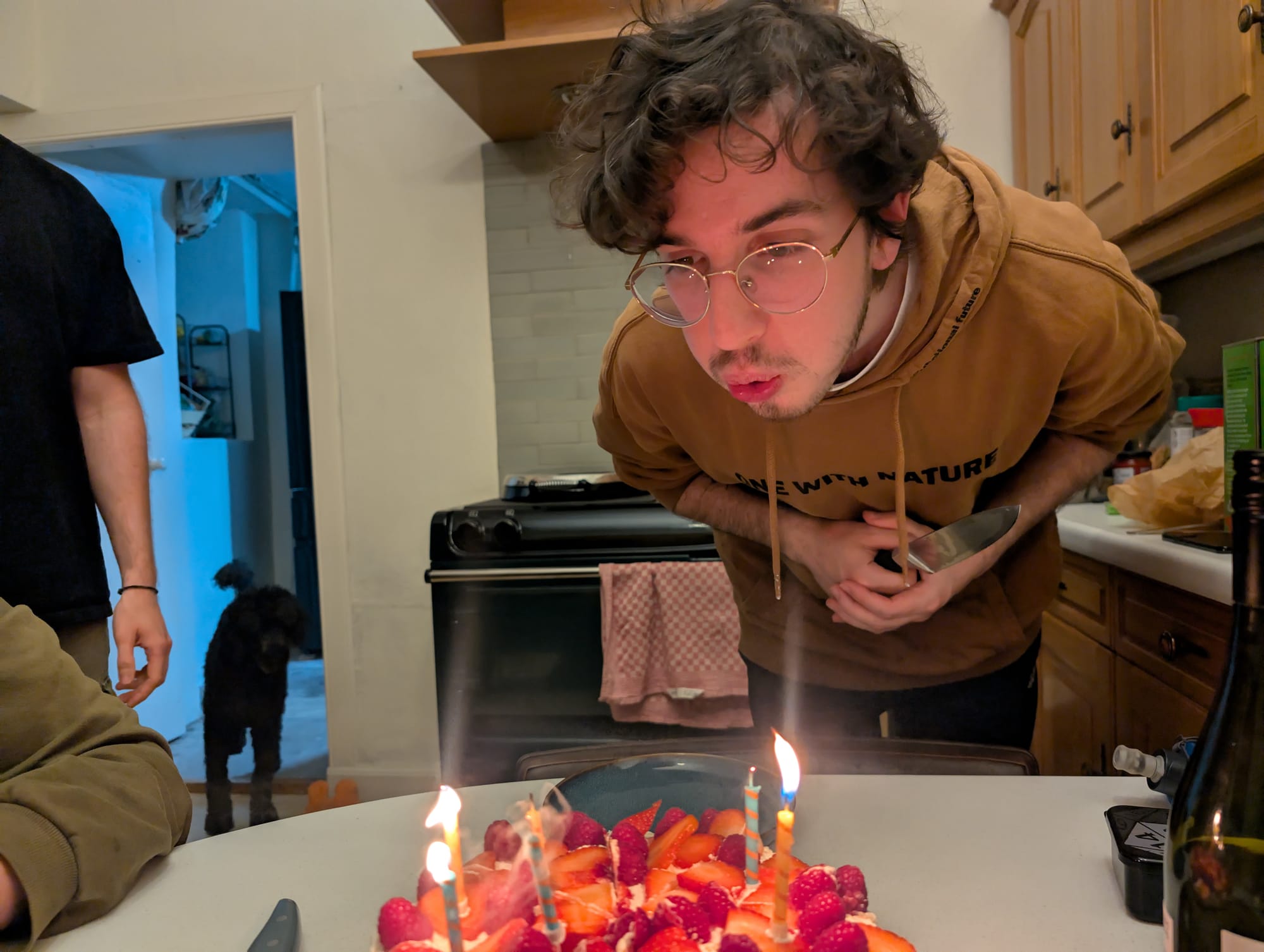
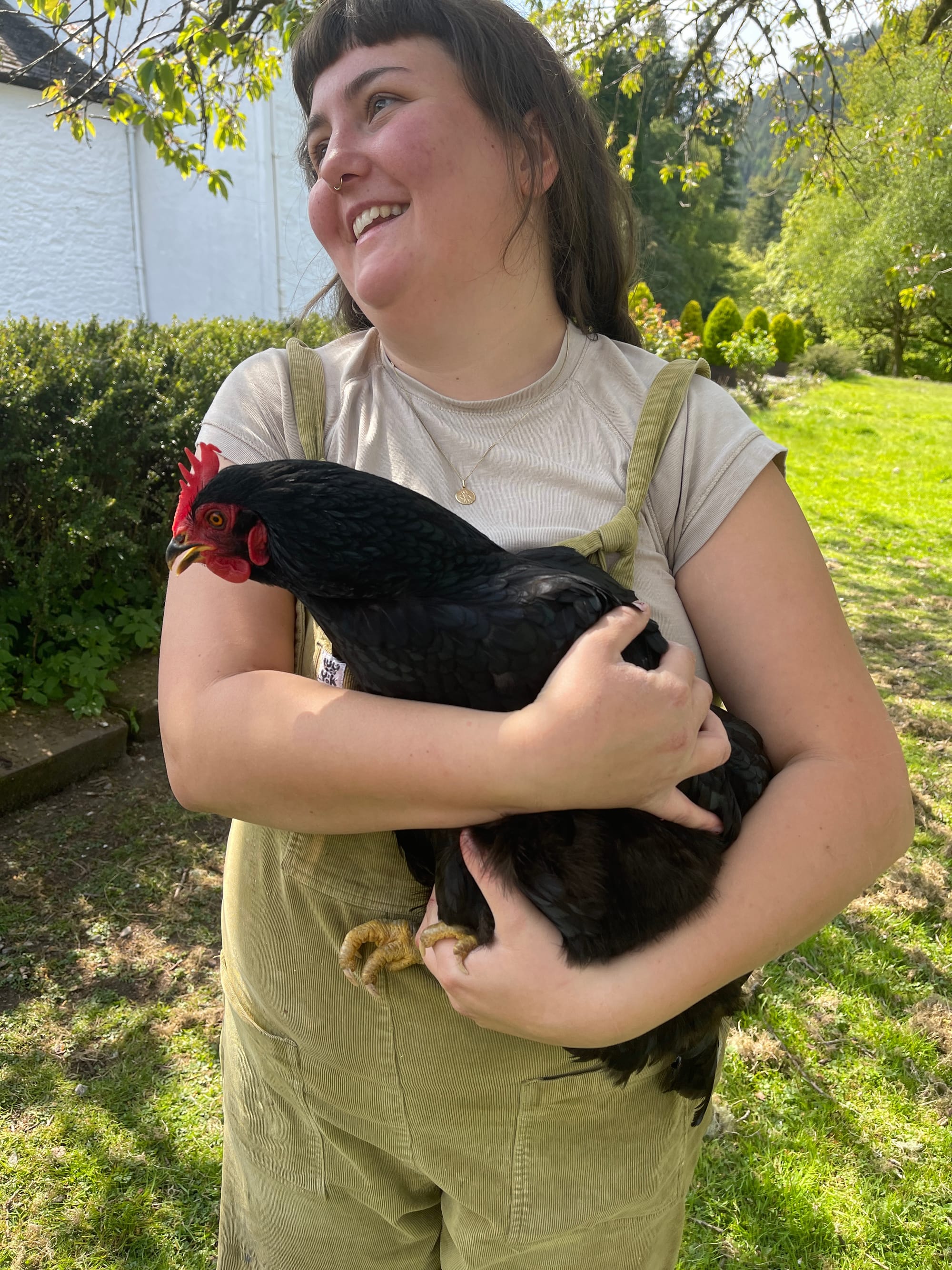
A relationship with a place like Glenshellish does not exist only between the land and myself. It lives within a web of relationships built in, on and around the place through acts of care, and through receiving care from the land in return.
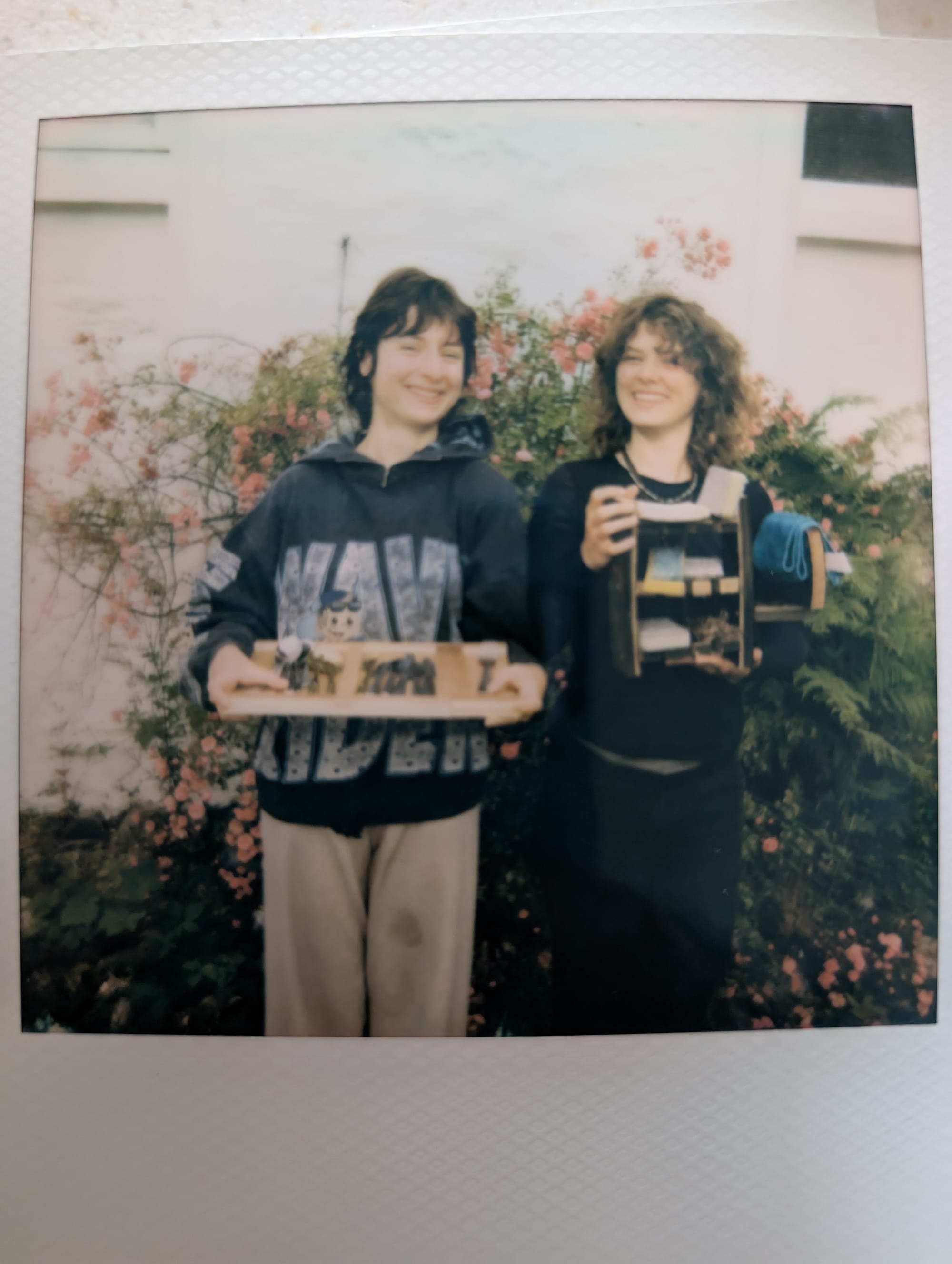
If anything, WWOOFing has made it clear to us that, in some shape or form, we want Glenshellish to remain a place where communal living is possible. Not necessarily in a fixed or permanent way, but in cycles. In seasons. In ways that allow people to share responsibility, space and daily life rather than just pass through as visitors.
What didn’t work?
We underestimated how much structure hosting requires. In the beginning, we were so focused on being welcoming that we sometimes avoided being clear. Clear about working hours, about expectations, about when we needed rest. That occasionally led to small misunderstandings or to us feeling slightly overstretched. Nothing dramatic, but enough to learn from.
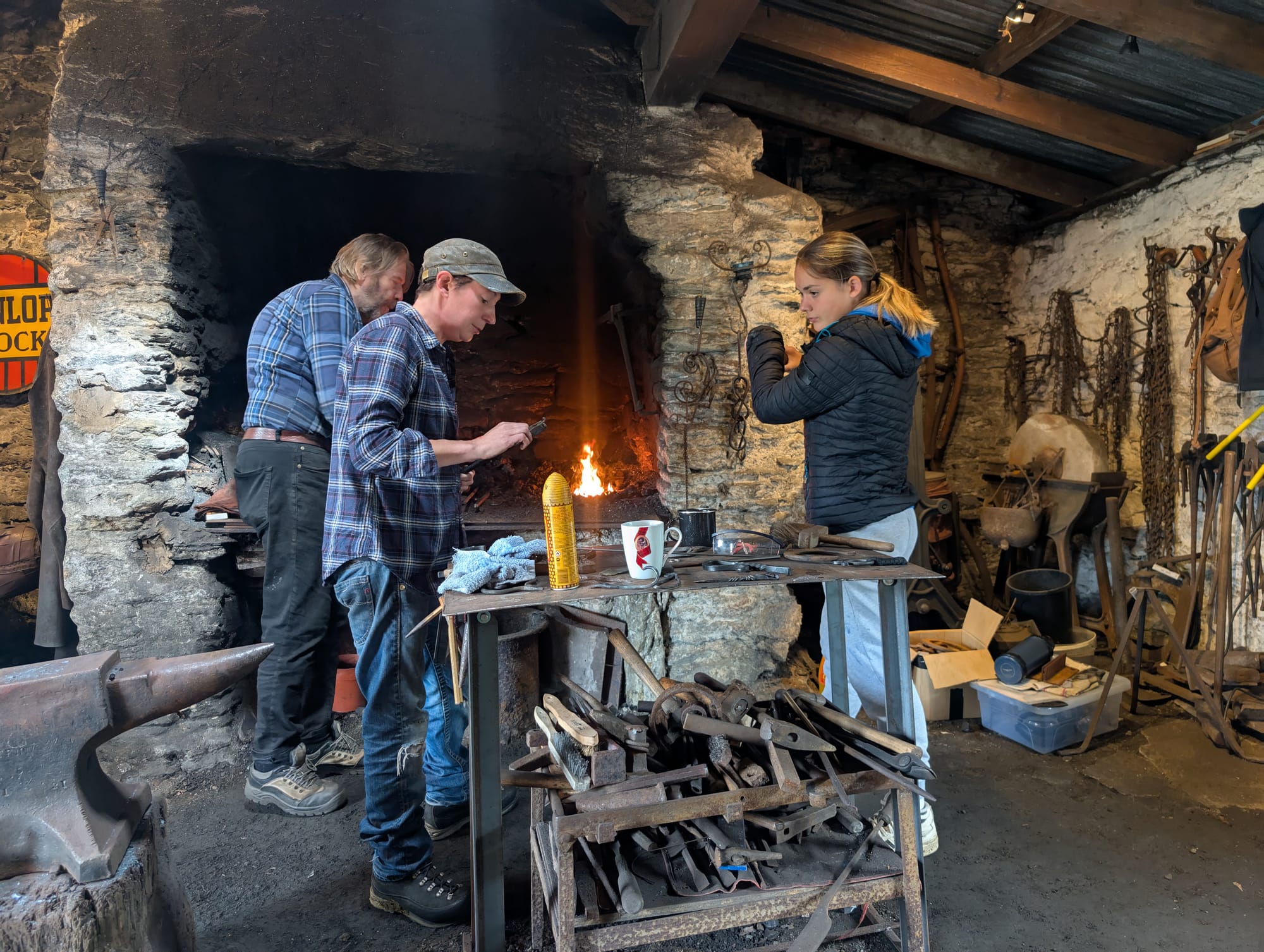
We also learned that not every project is suited to volunteer energy. Some tasks require continuity or specialist skills, and it took us a while to distinguish between what is good communal work and what is simply inefficient when done in rotation.
Looking ahead
I’m writing this post on the evening before our 2026 WWOOFing season begins.
While every experience is different, I’m looking forward to picking up traditions and rituals that were established last year just as much as I am looking forward to forming new ones. I’m also looking forward to continuing to learn about Glenshellish and the kind of community we want to build around it.
One difference this year is that, while last year we were largely making things up as we went along, this year we have a more intentional plan. We understand a little better how the land moves through the seasons and what kind of rhythm hosting requires.
That said, I am certain it will still surprise me.
As for advice, for hosts: be clear early. Be specific about working hours, about shared meals, about what help you actually need. Warmth and clarity are not opposites.
For WWOOFers: communicate. If you are tired, say so. If you are unsure how to do something, ask. And recognise that you are stepping into someone’s home, not just a project site. Mutual respect is what makes the exchange work.