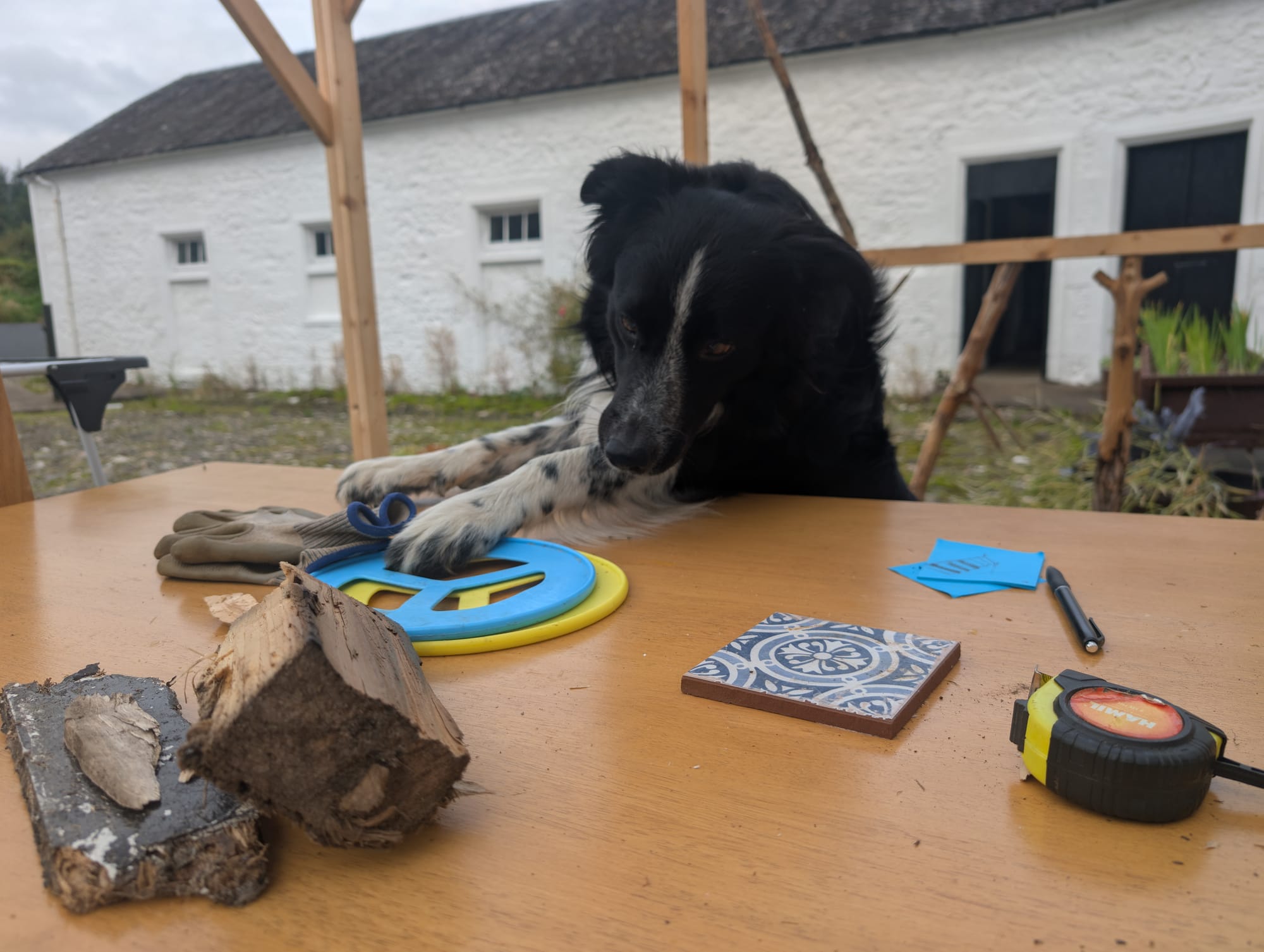
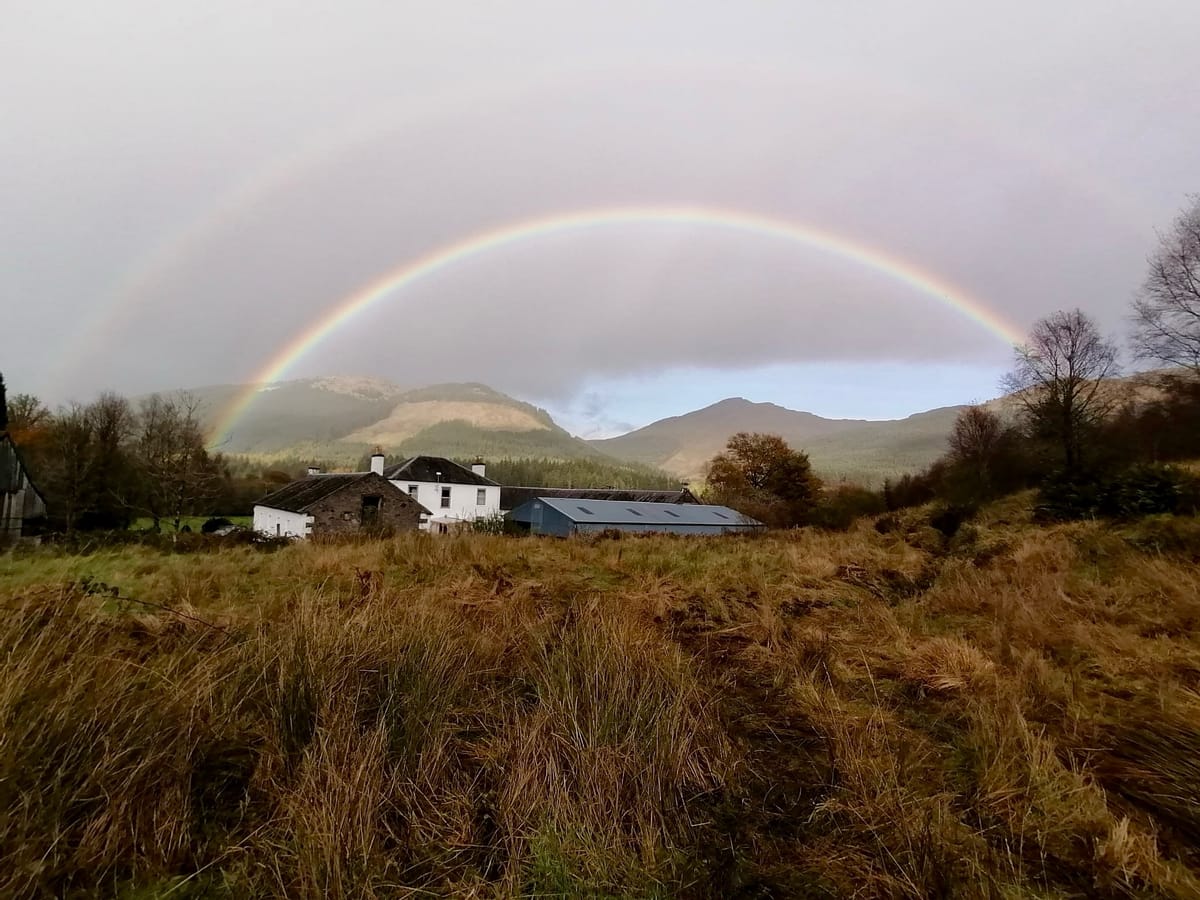
In my post about WWOOFing, I talk about how inspiring living communally in this way has been for my understanding of the kind of life I want Glenshellish to foster, both for myself and for the people who come to stay here, whether they are WWOOFers, friends, collaborators, or eventually guests.
As a social anthropologist, I cannot help but look at the elements that make living this way meaningful. These are, for lack of a better word, field notes; unfinished thoughts that are beginning to take up space in the architecture of meaning I understand Glenshellish to be creating.
Food
Fun fact: “the anthropology of food” is actually the only module I failed at university.
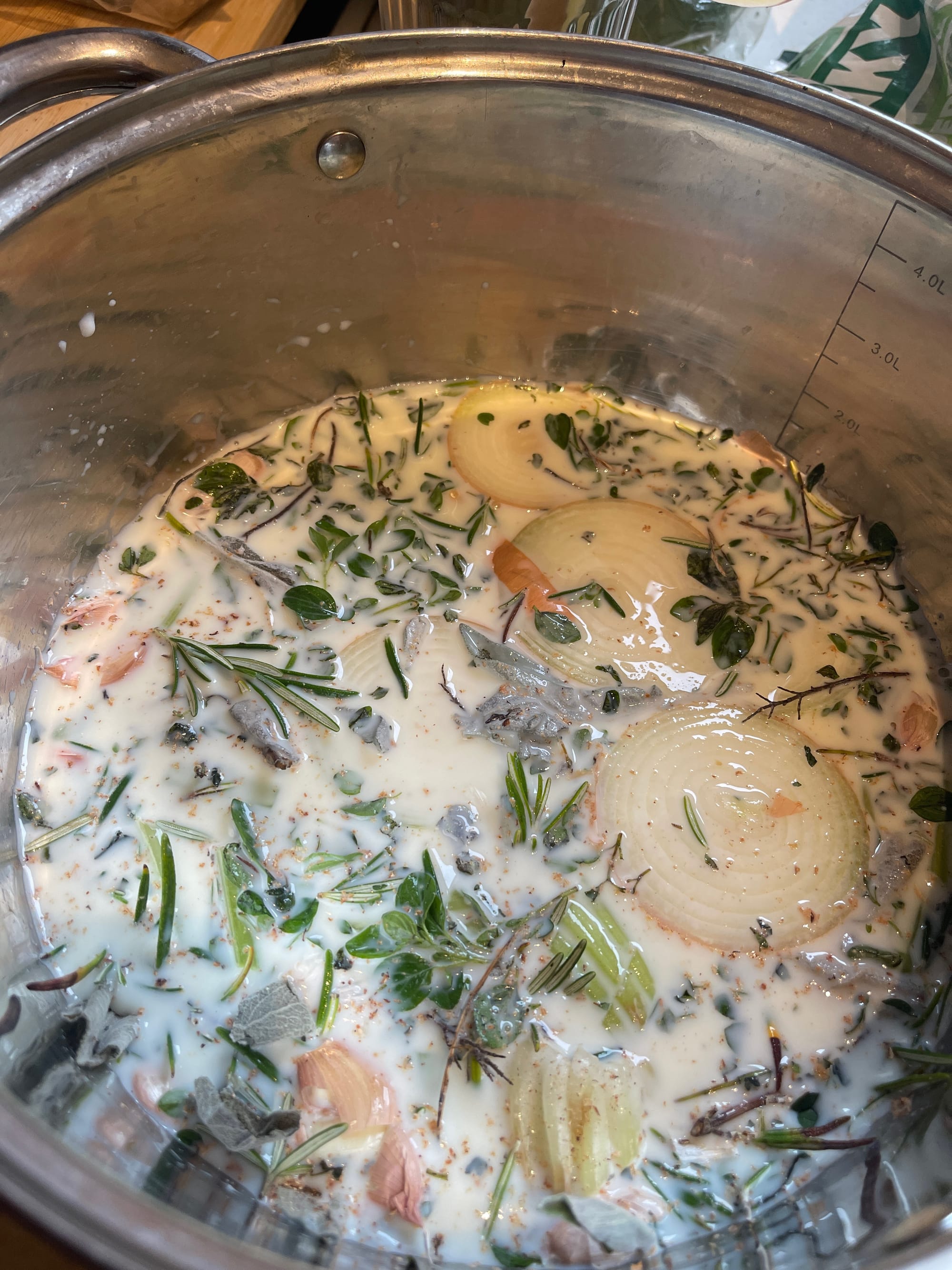
Ironically, my first non-academic job was running a community centre and shop that was all about making “good food” accessible to the community. In that role, I learned a great deal about how food mediates relationships, about the importance of local supply chains, and about the therapeutic benefits of making food together.
None of that was at the forefront of my mind when I first started tackling the logistical challenge of cooking for and with WWOOFers. Slowly, though, dinner emerged as my favourite part of the experience.
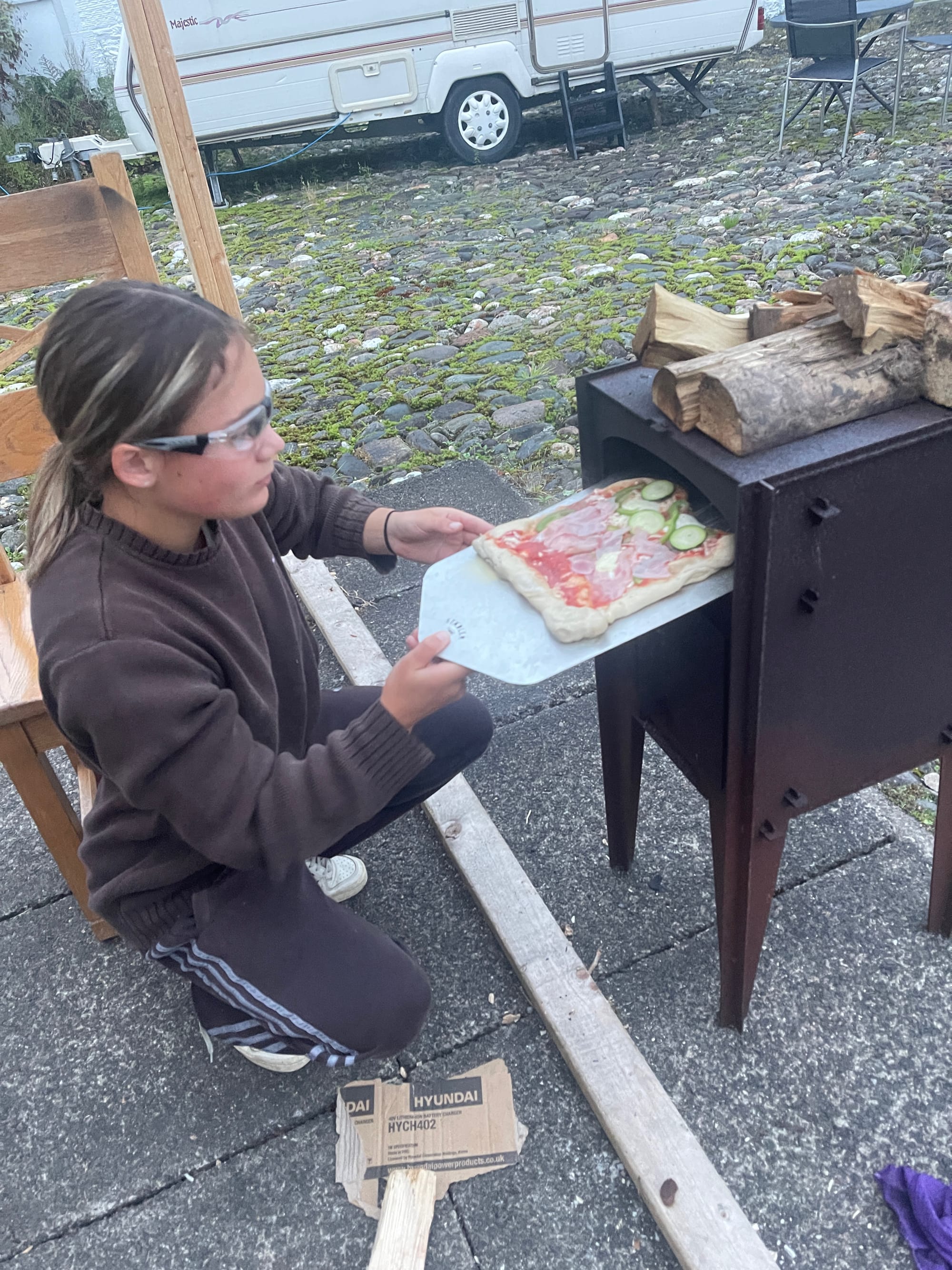
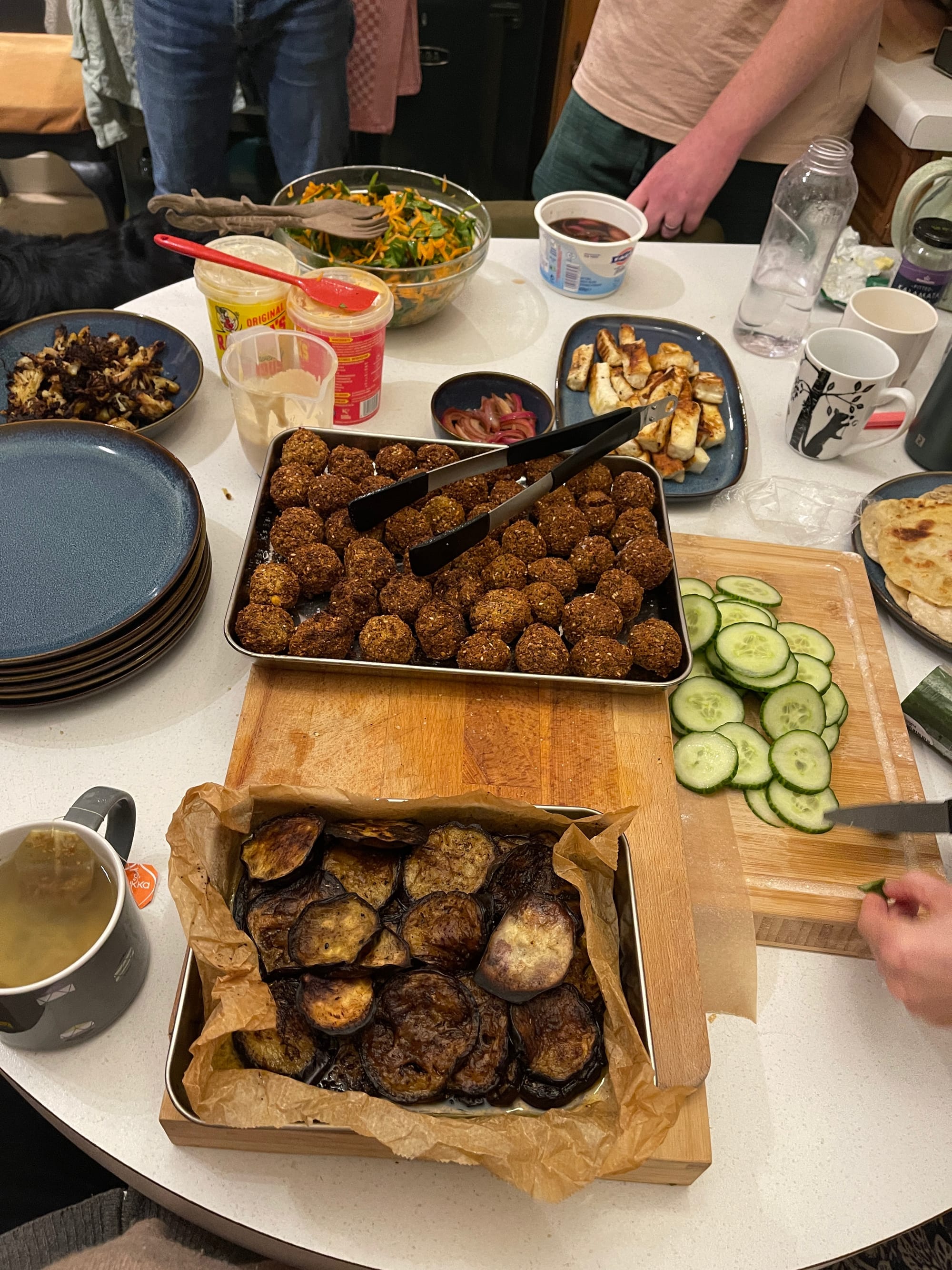
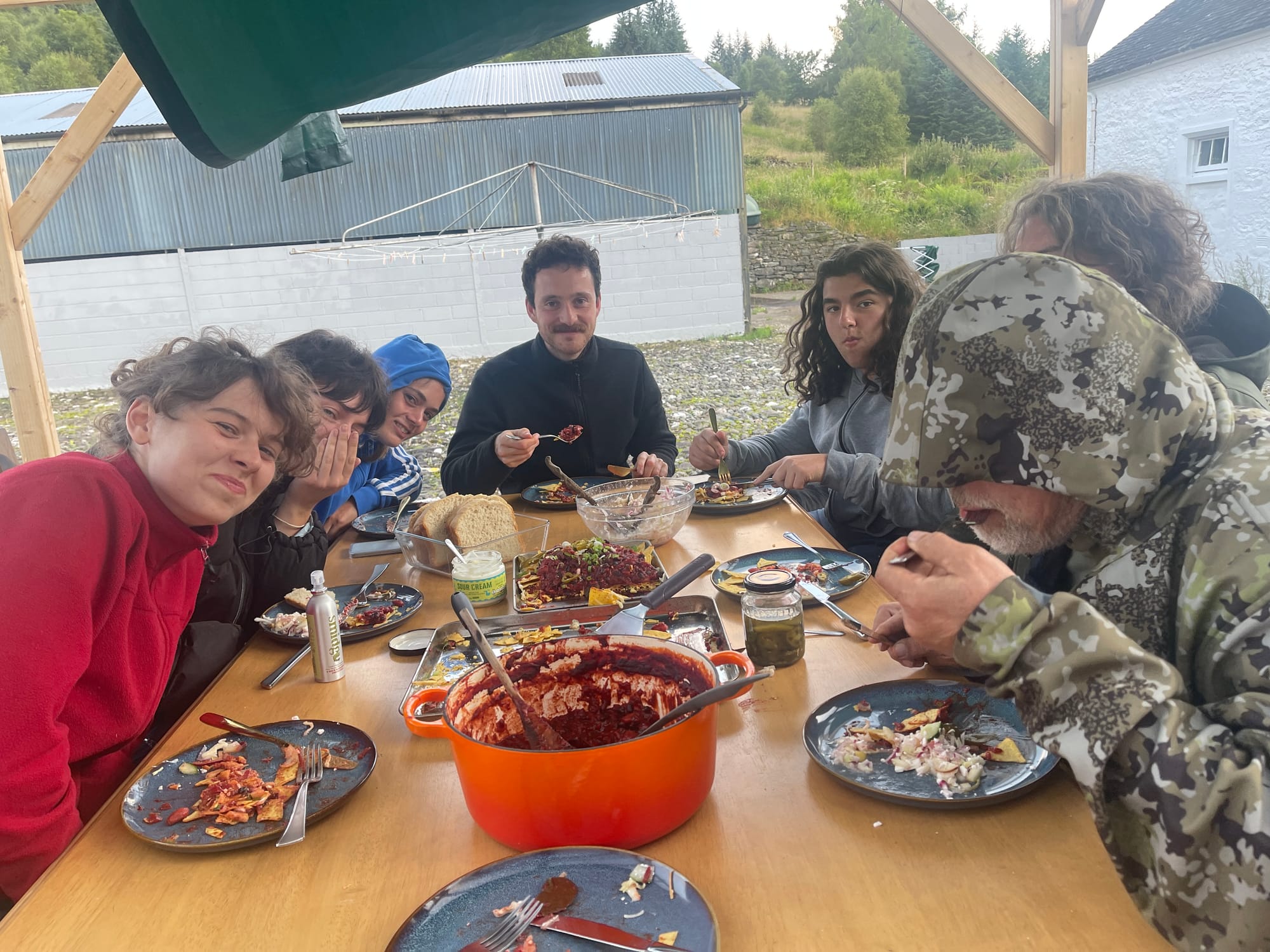
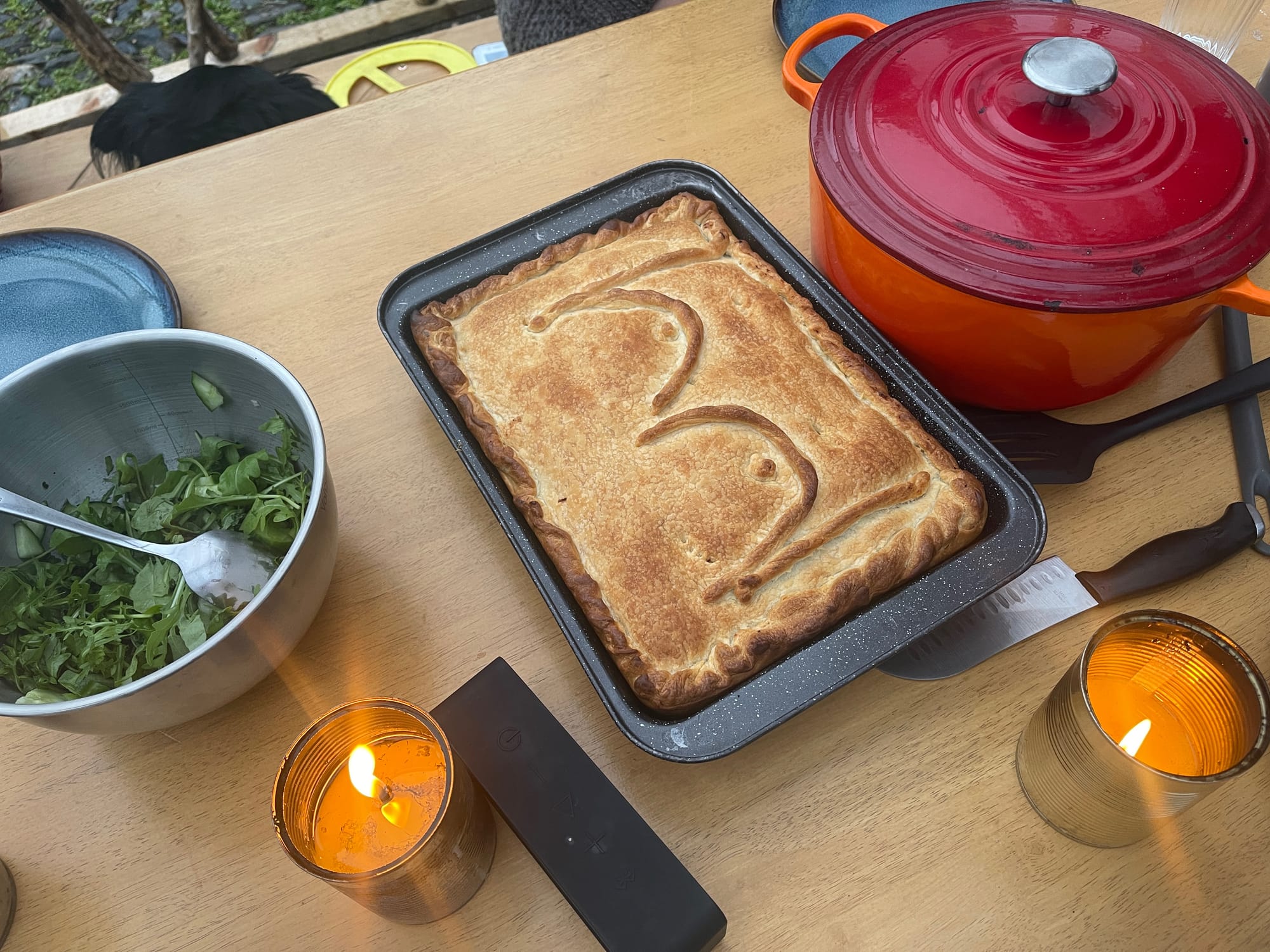
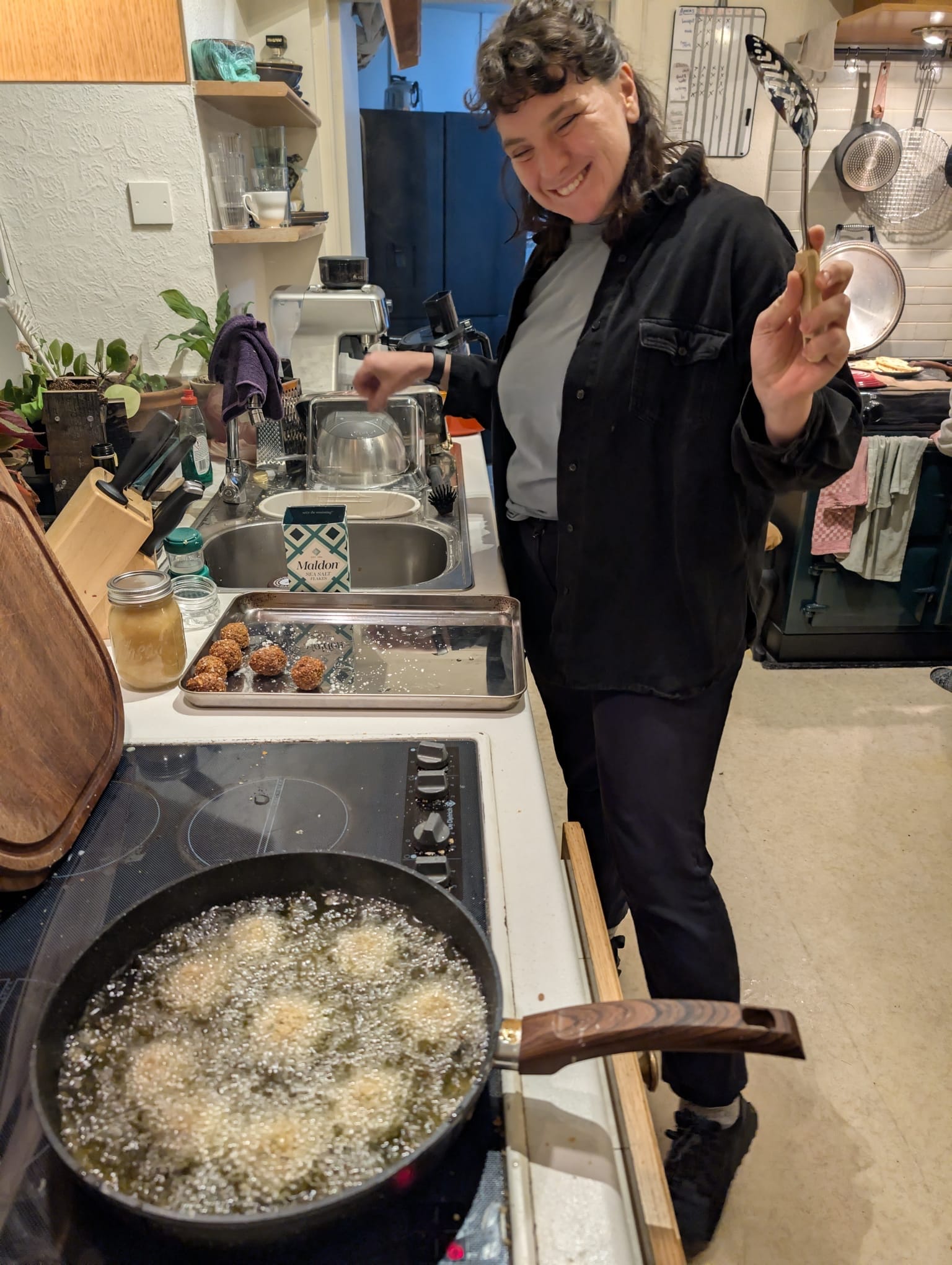
The first layer of this is, of course, the cooking itself. Somehow, it is a process in which you cannot help but learn more about the people you are sharing space with. Through talking about food, preparing it, and eating it together, we create and consume together. It becomes a moment of calibration.
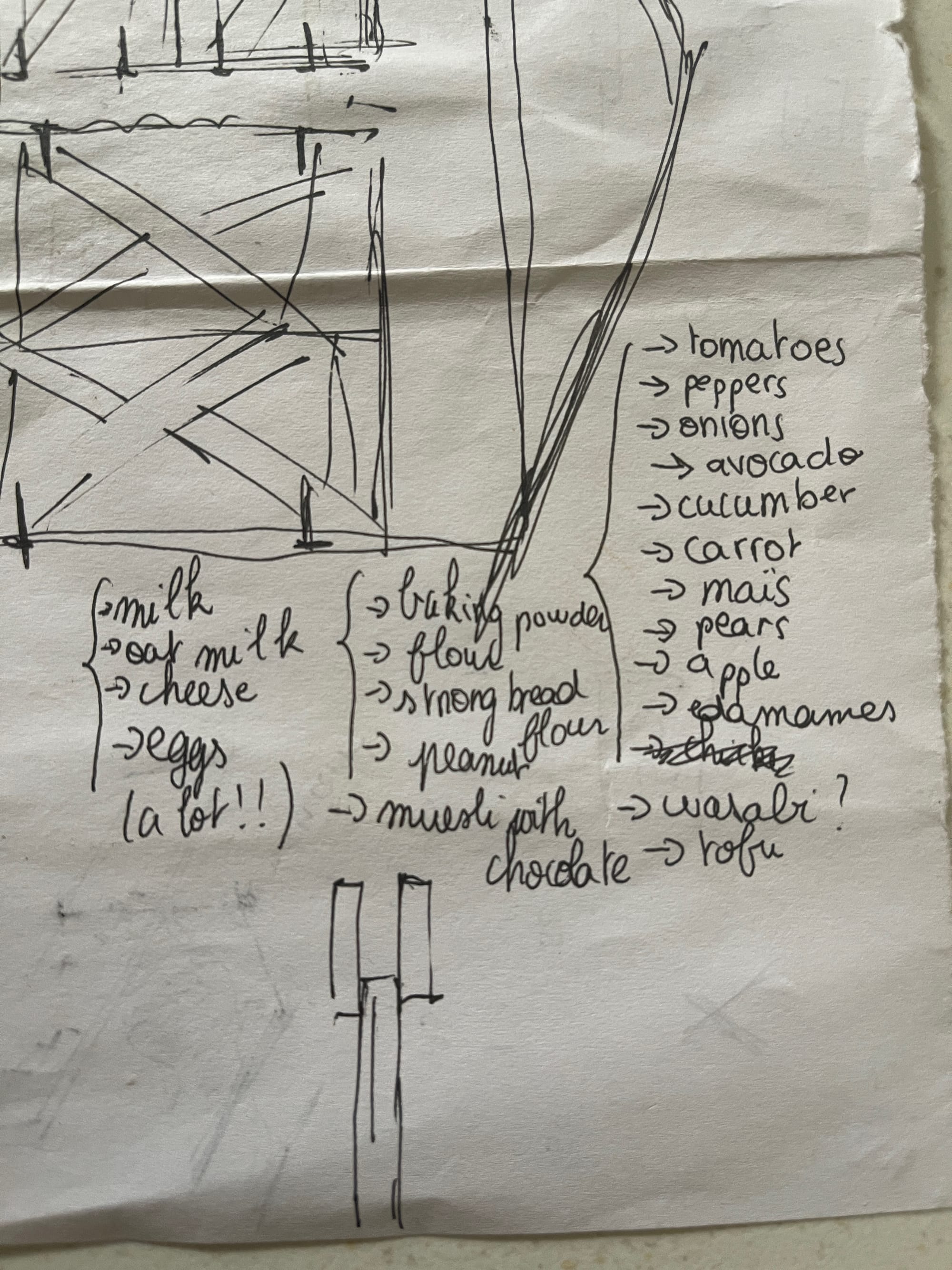
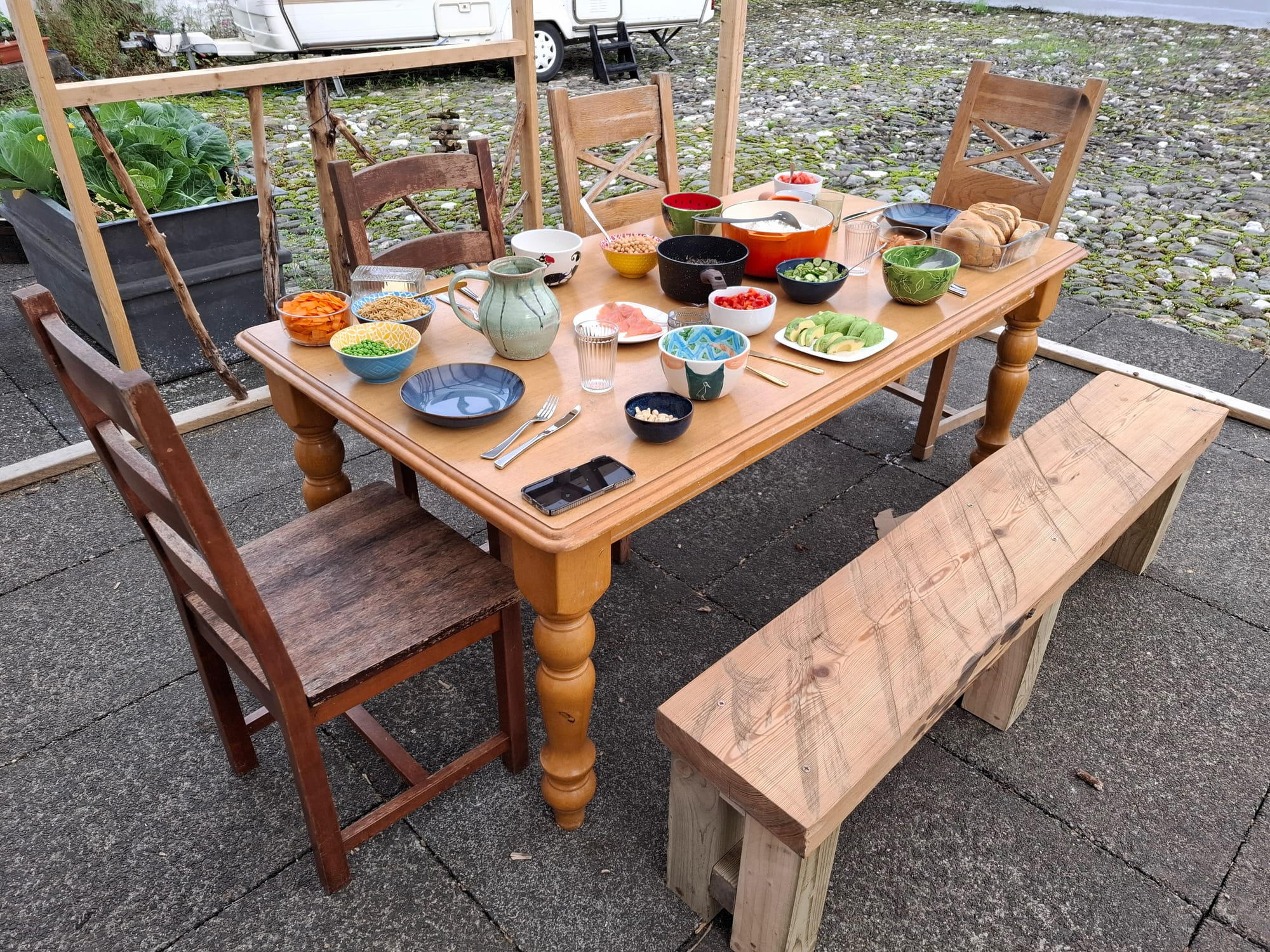
But it extends beyond the act of eating. It lives in the planning of what to cook, in going shopping together, in washing up afterwards, and in the shared responsibility of nurturing the social space of dinner so that it can sustain us.
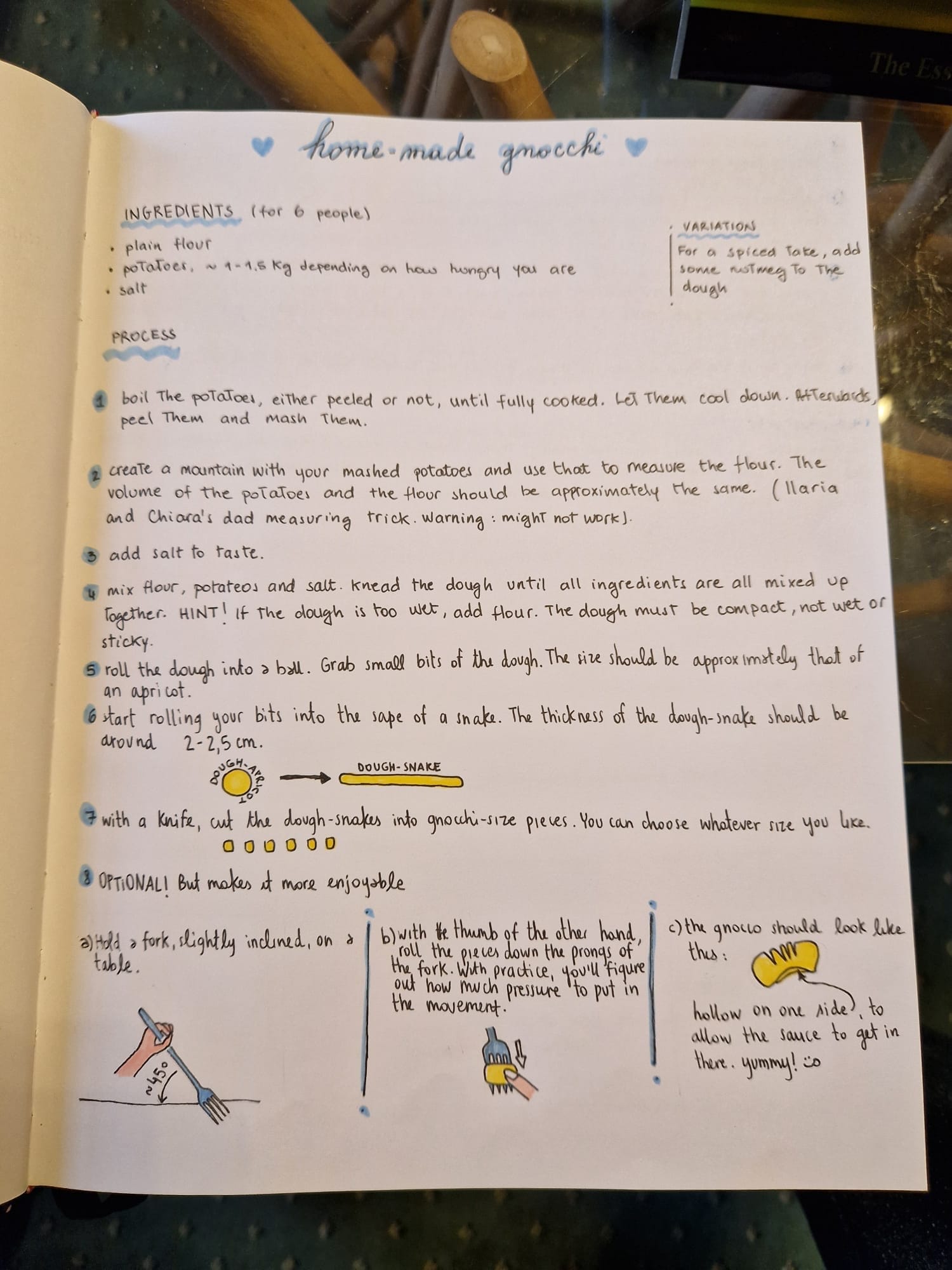
A lovely artefact of how food is shaping Glenshellish is the “cookbook” we started early in our WWOOFing journey. Volunteers, if they feel inclined, can write down recipes they have shared with us. It is becoming a quiet archive of who has passed through.
Part of this, of course, is also producing and eating food from the farm, mostly eggs for now, or foraged food like nettles and berries. I am very much looking forward to hopefully beginning to make goat’s milk dairy products in 2026.
Play
Play is undoubtedly one of the most important ways in which we explore connection and belonging. It allows us, in small and subtle ways, to test boundaries and step outside our comfort zones while still feeling safe. It is an essential element of learning, healing and reflecting.
I very much want Glenshellish to be a place where people can play, whatever form that takes. To be fair, we do literally have a LARP planned for this year.
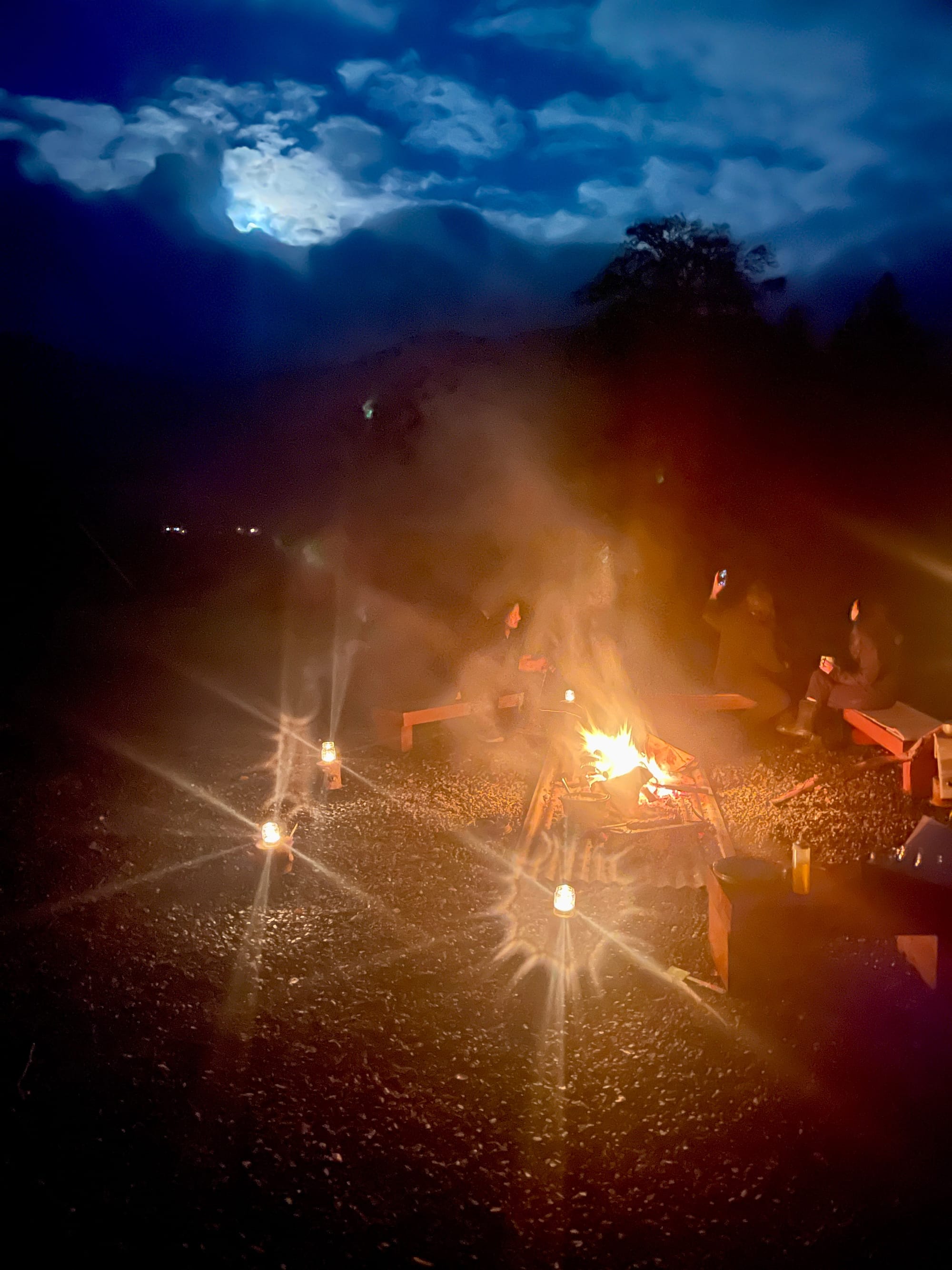
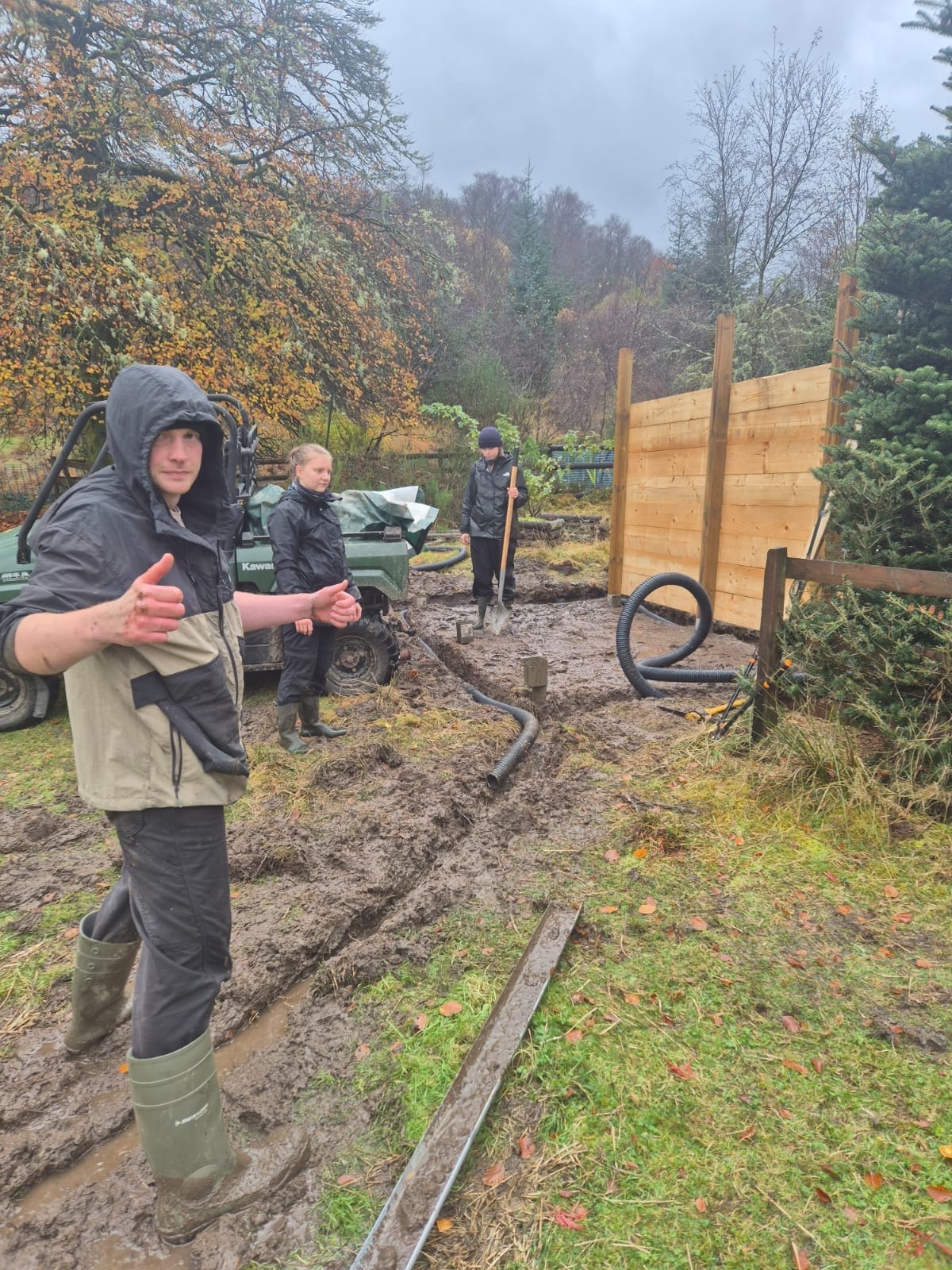
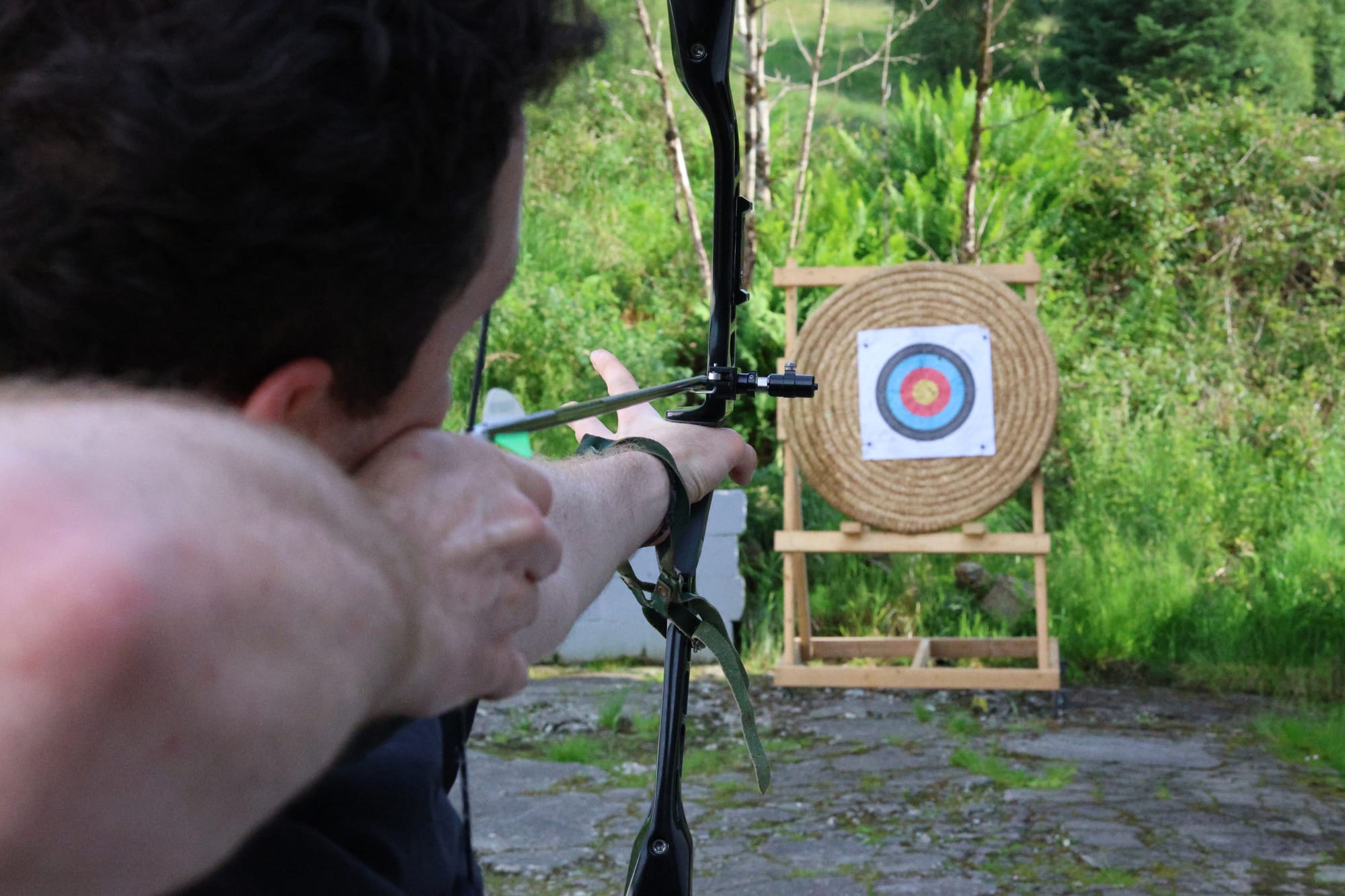
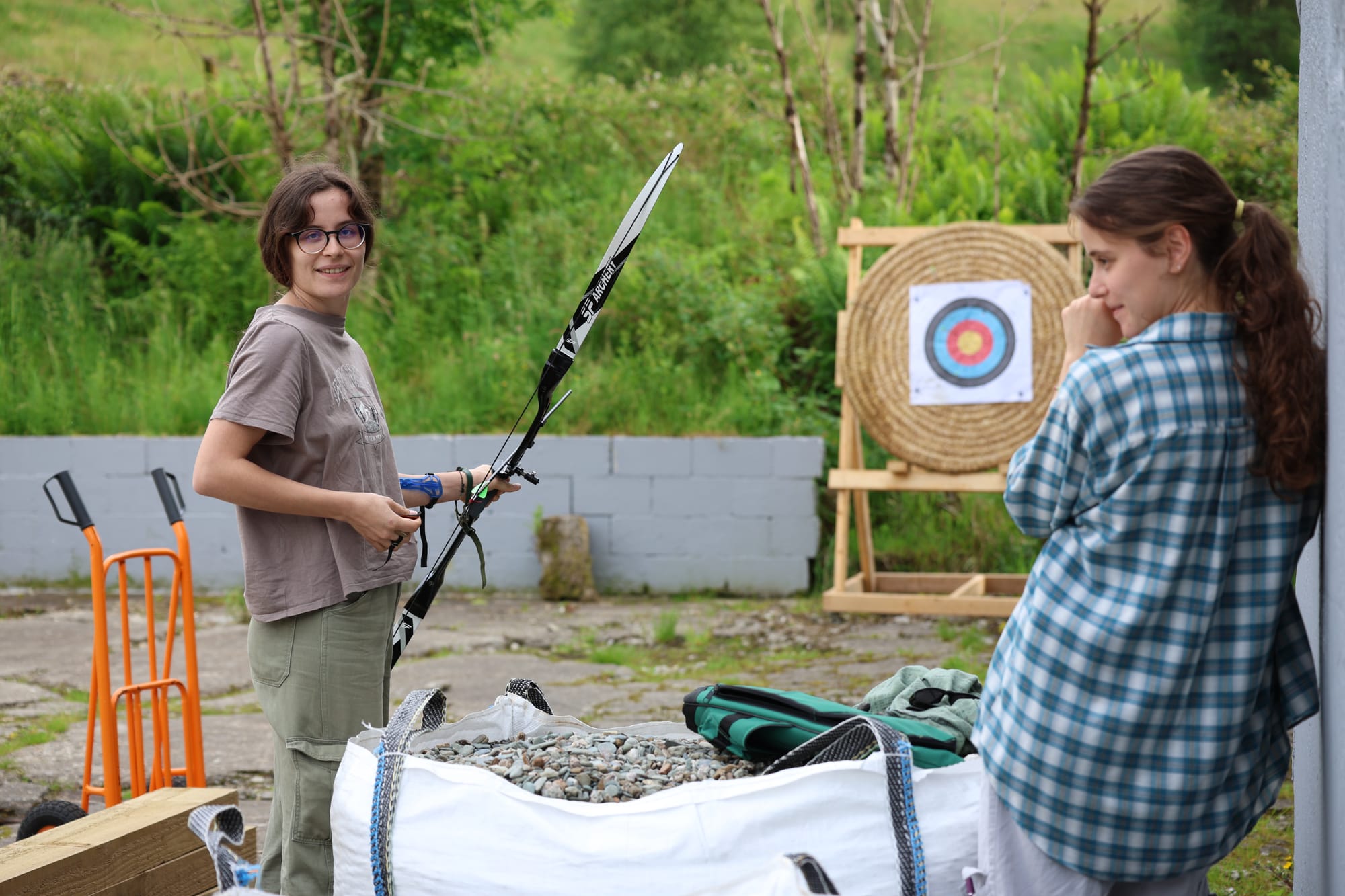
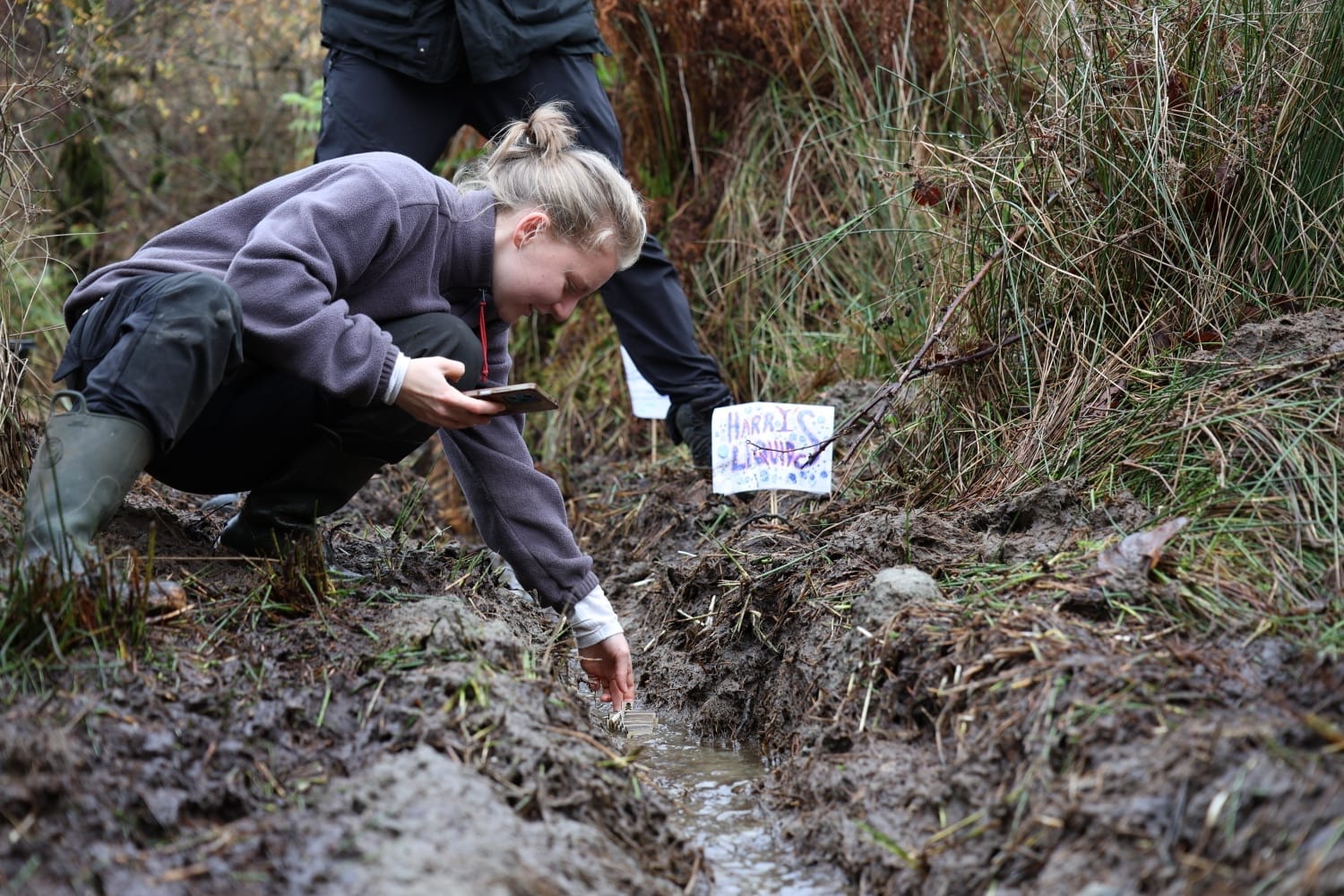
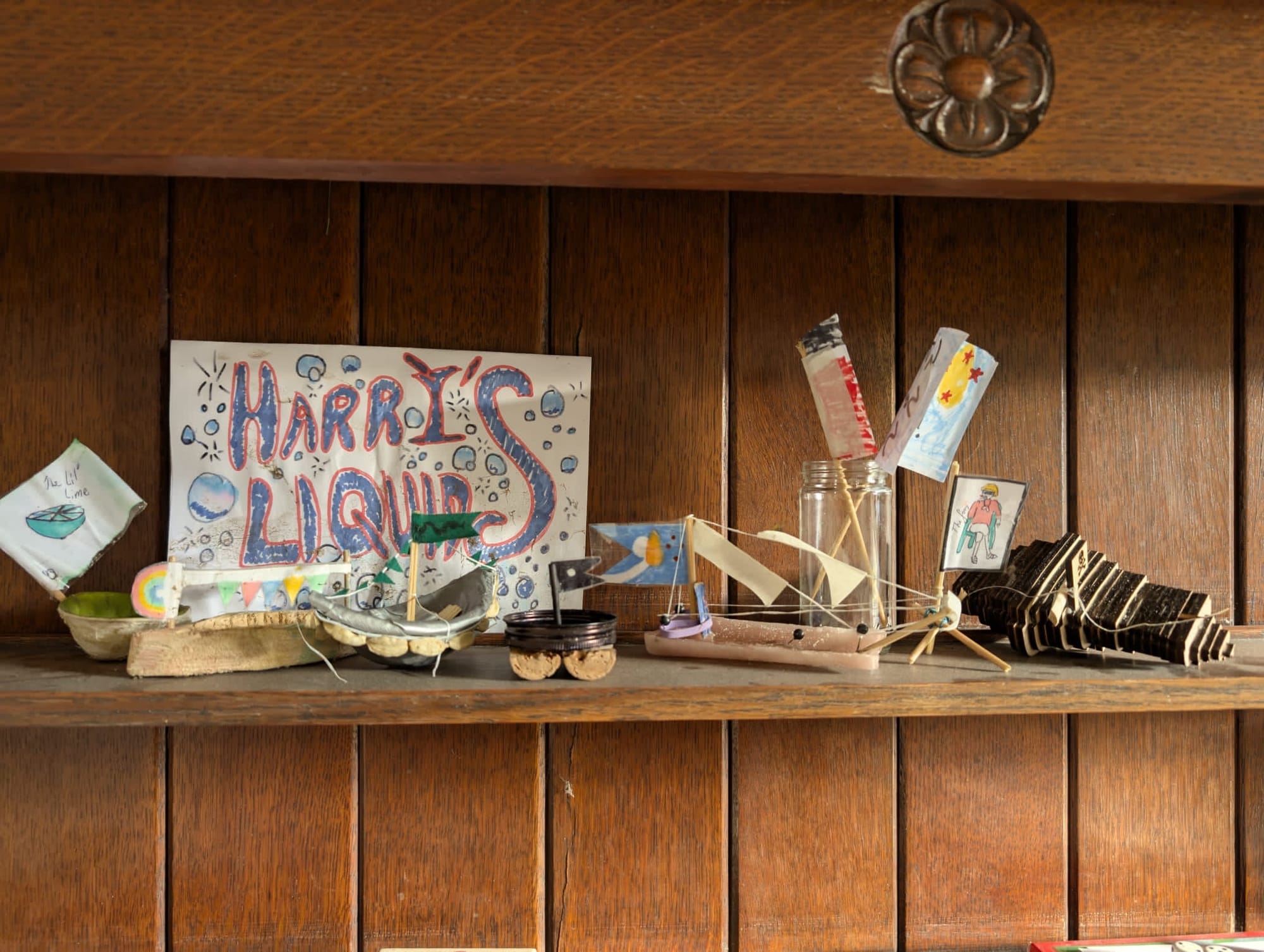
Looking back at the 2025 WWOOFing season, it is beautiful to notice the moments where play emerged naturally. Throwing a rugby ball back and forth in the courtyard. Playing D&D around the table. And, in perhaps its most glorious form, the vessel race along the newly dug drain in the upper field.
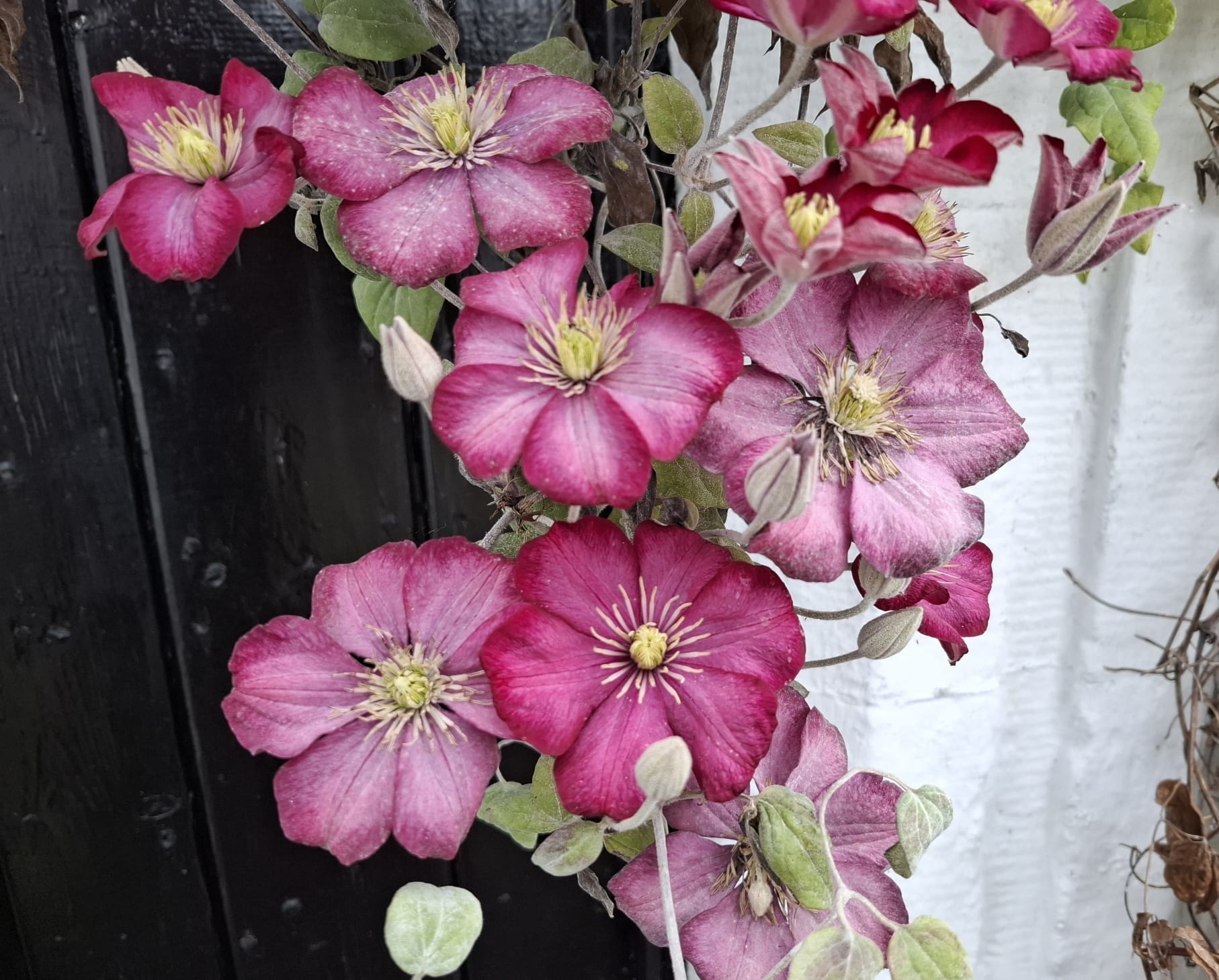
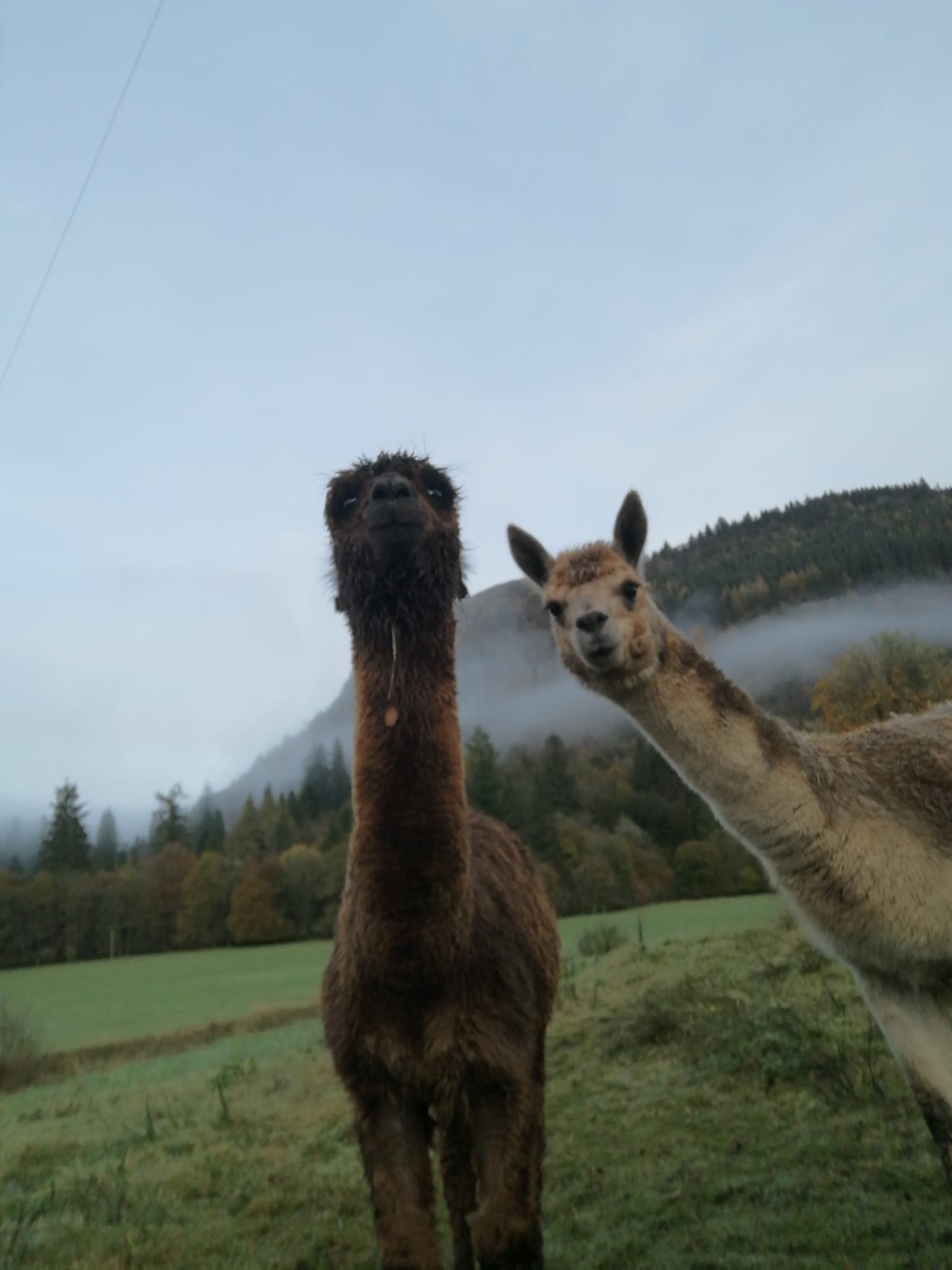
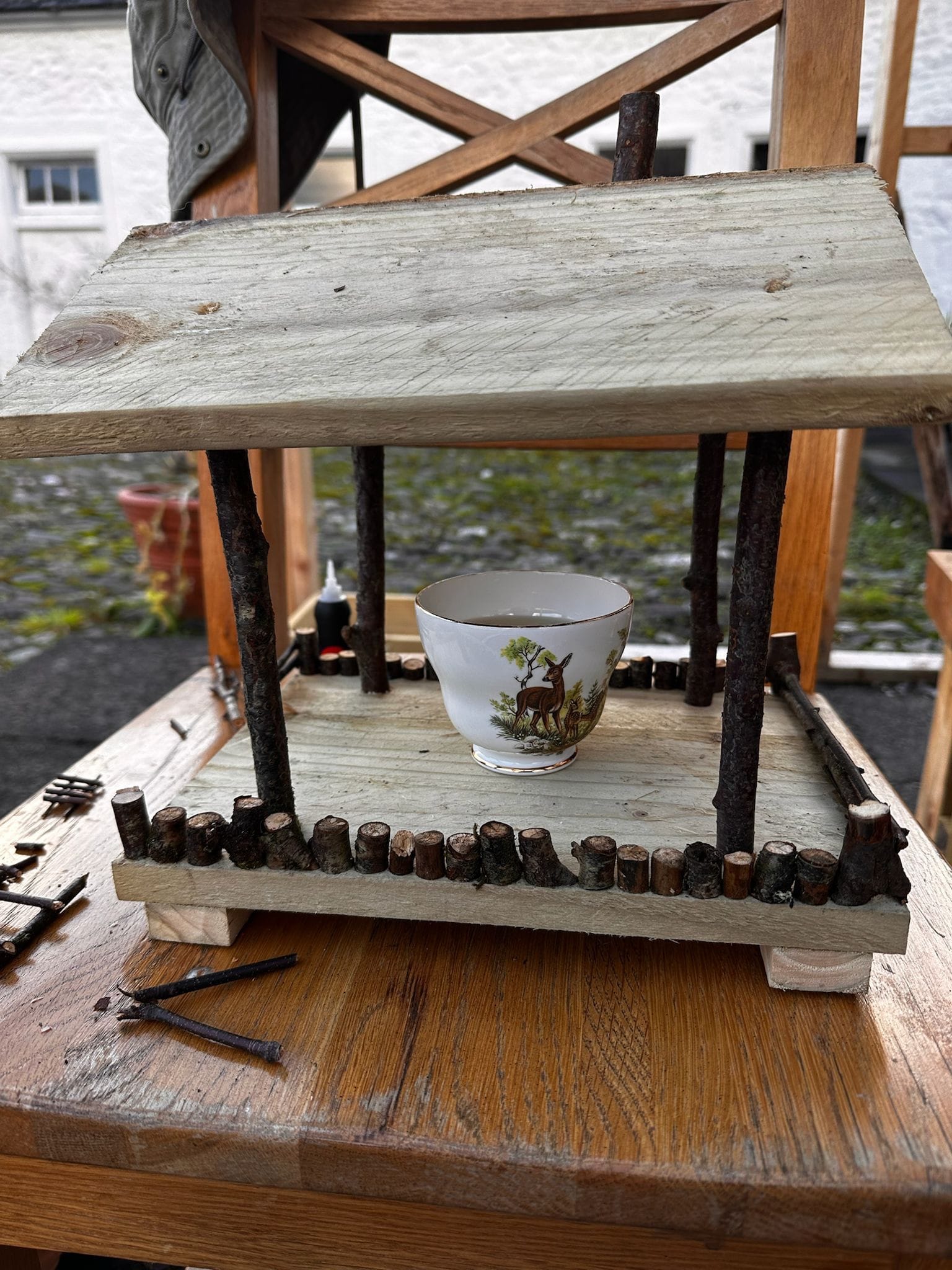
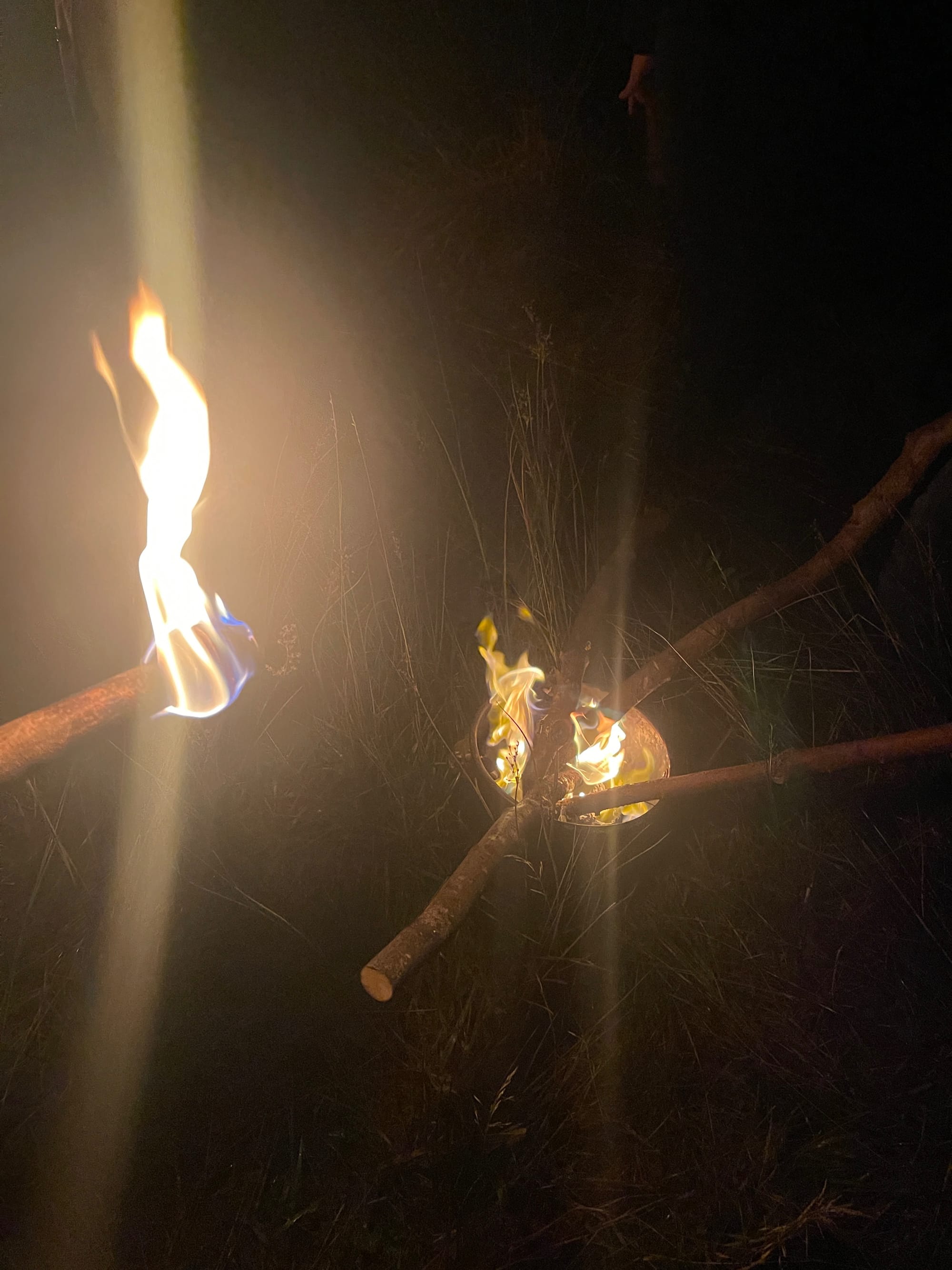
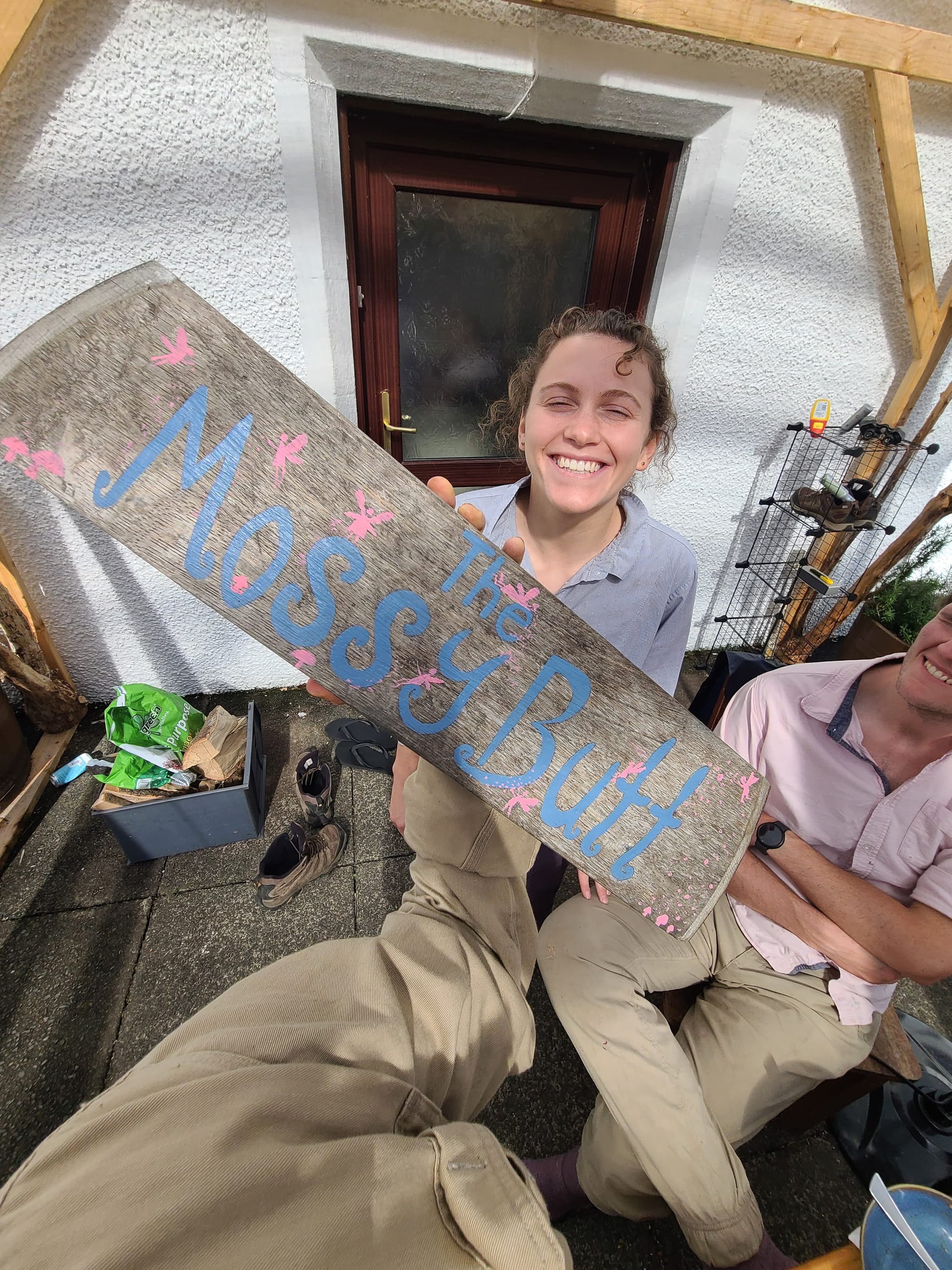
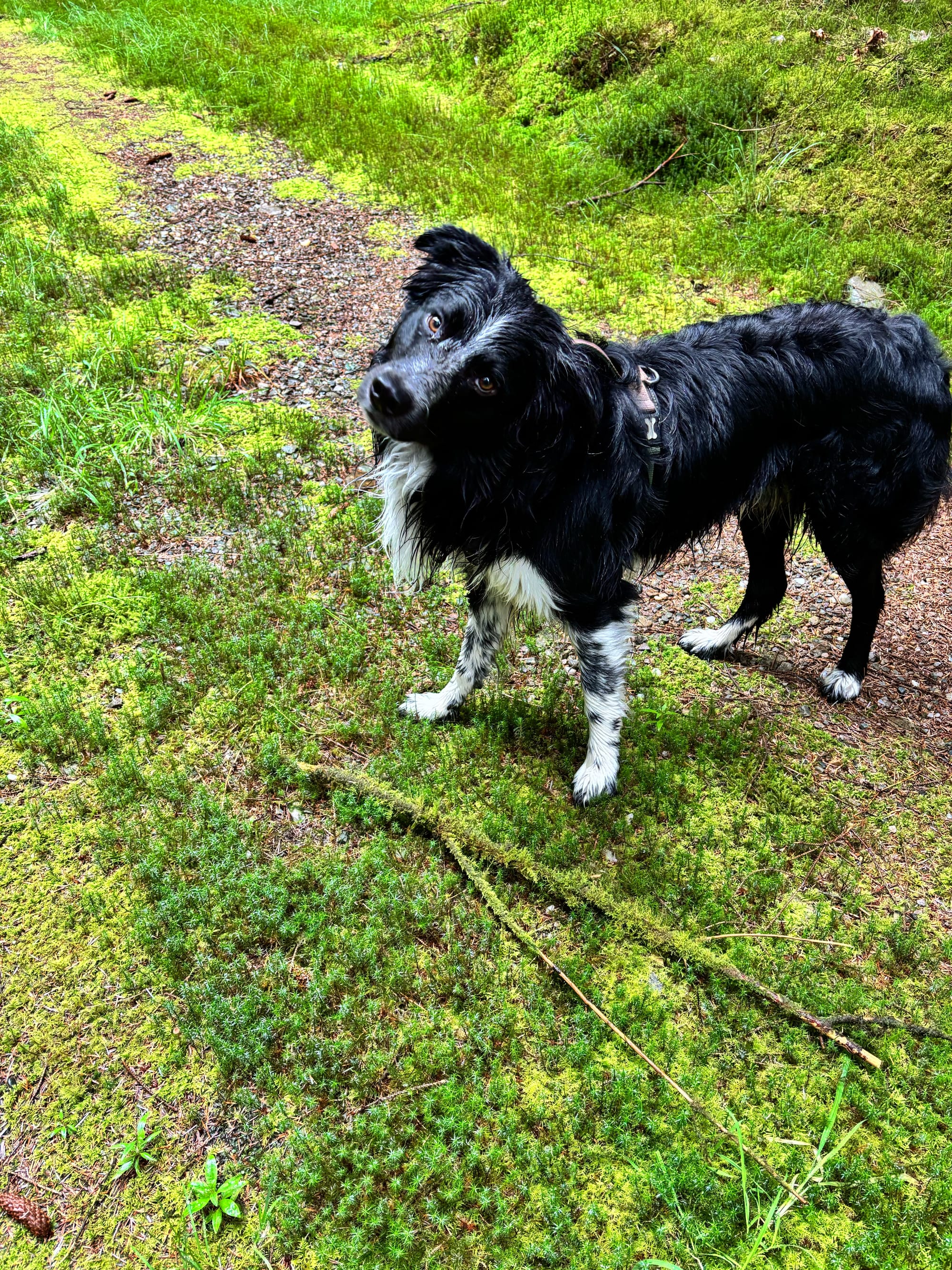
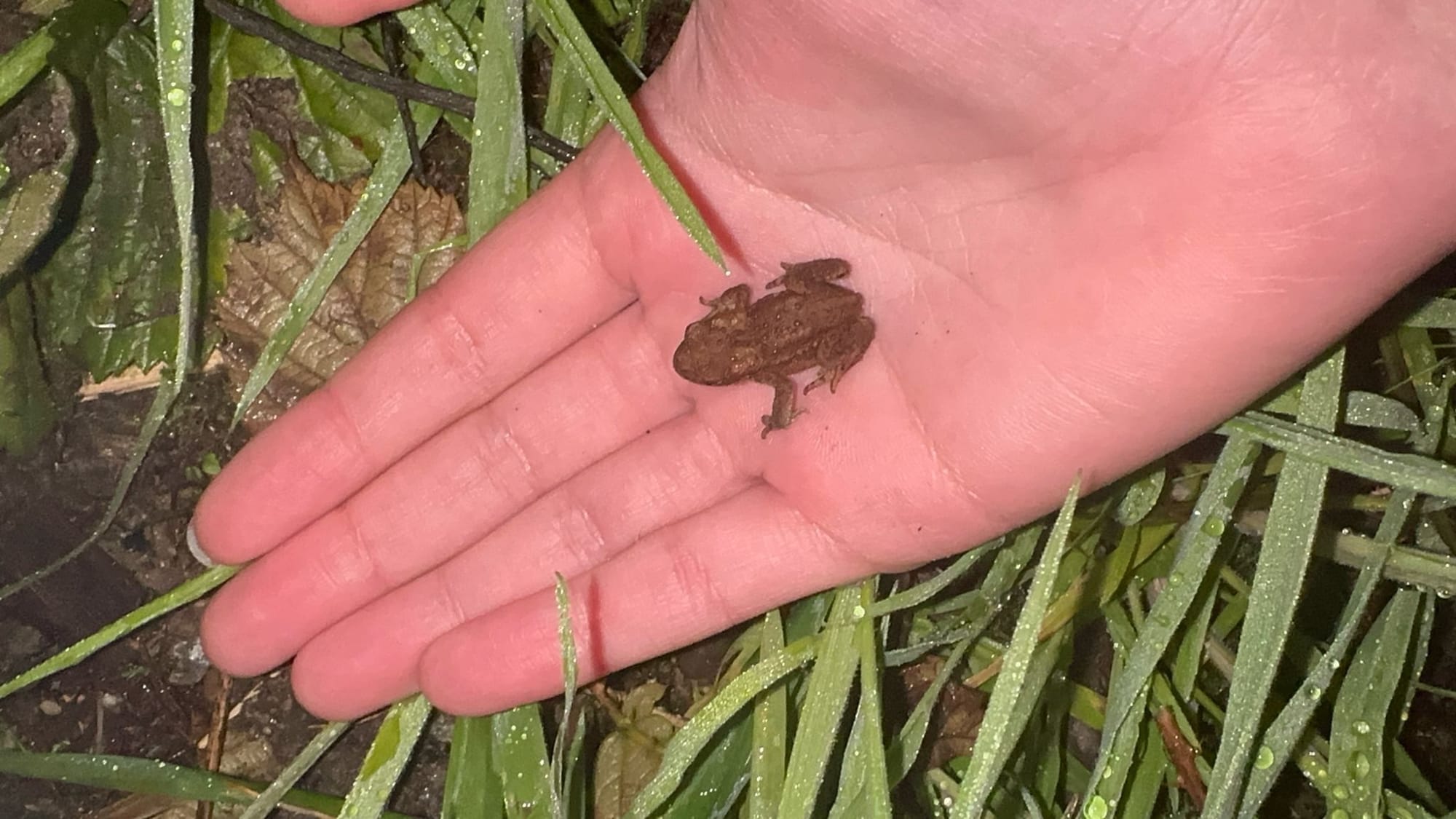
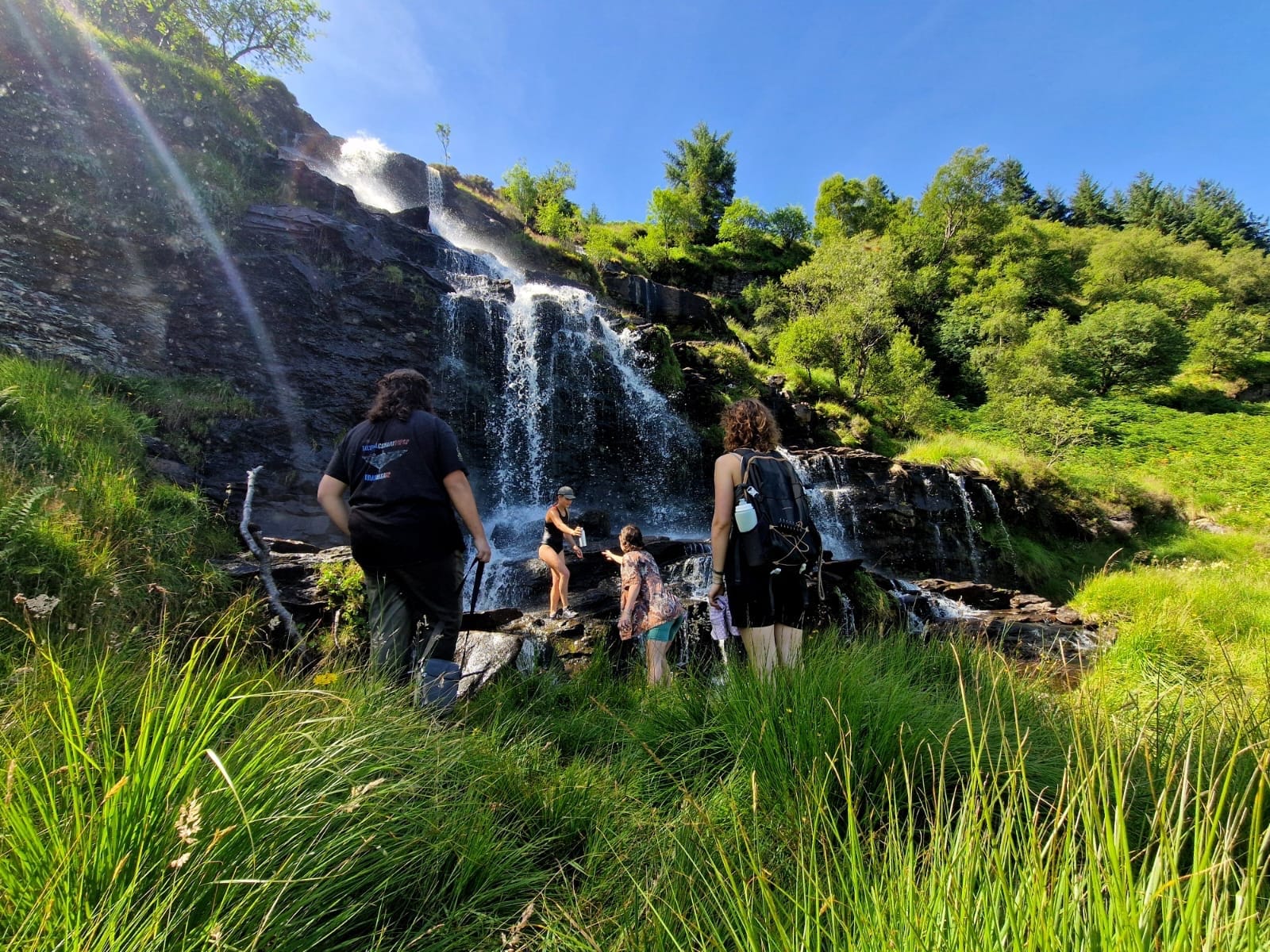
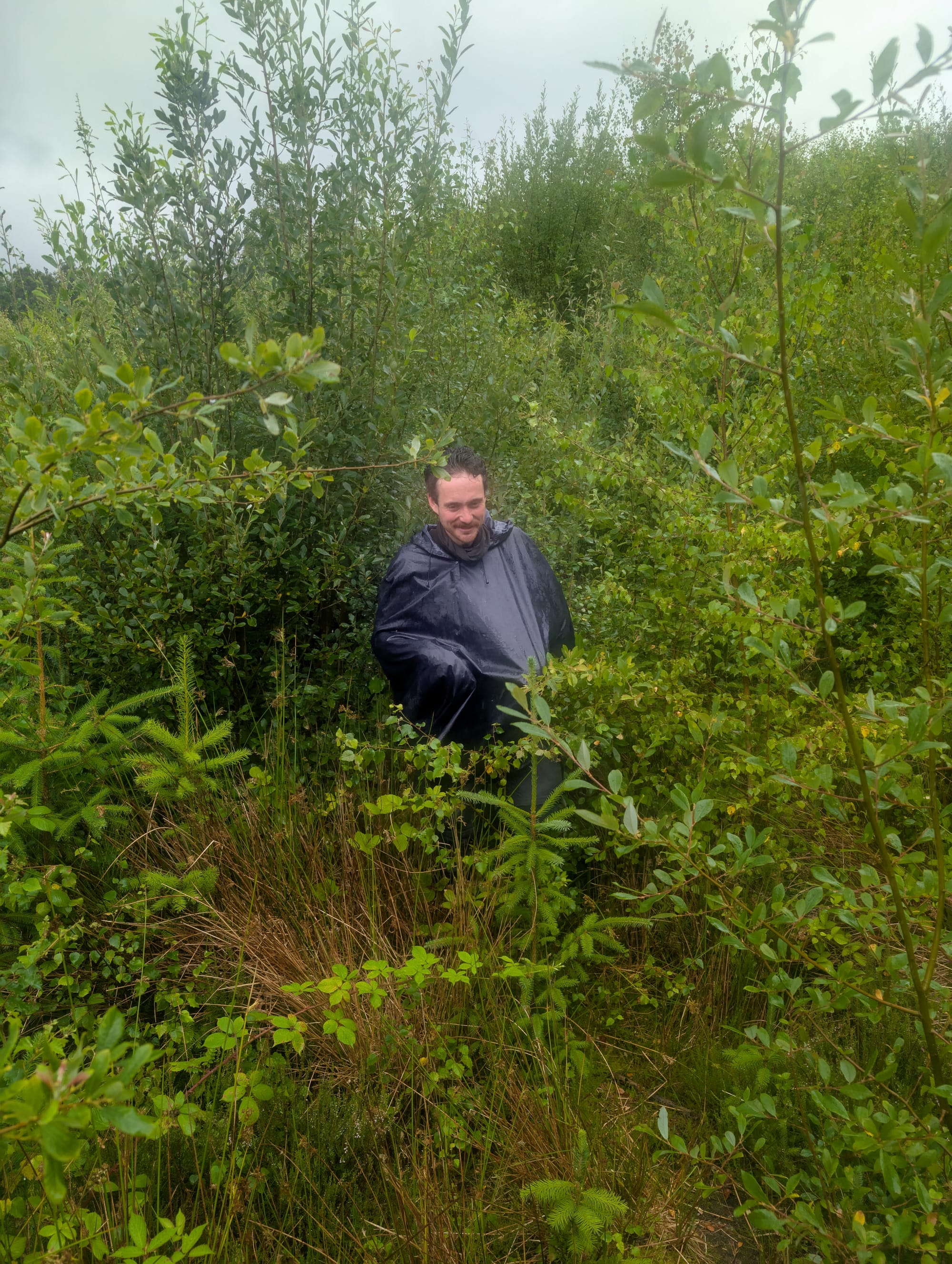
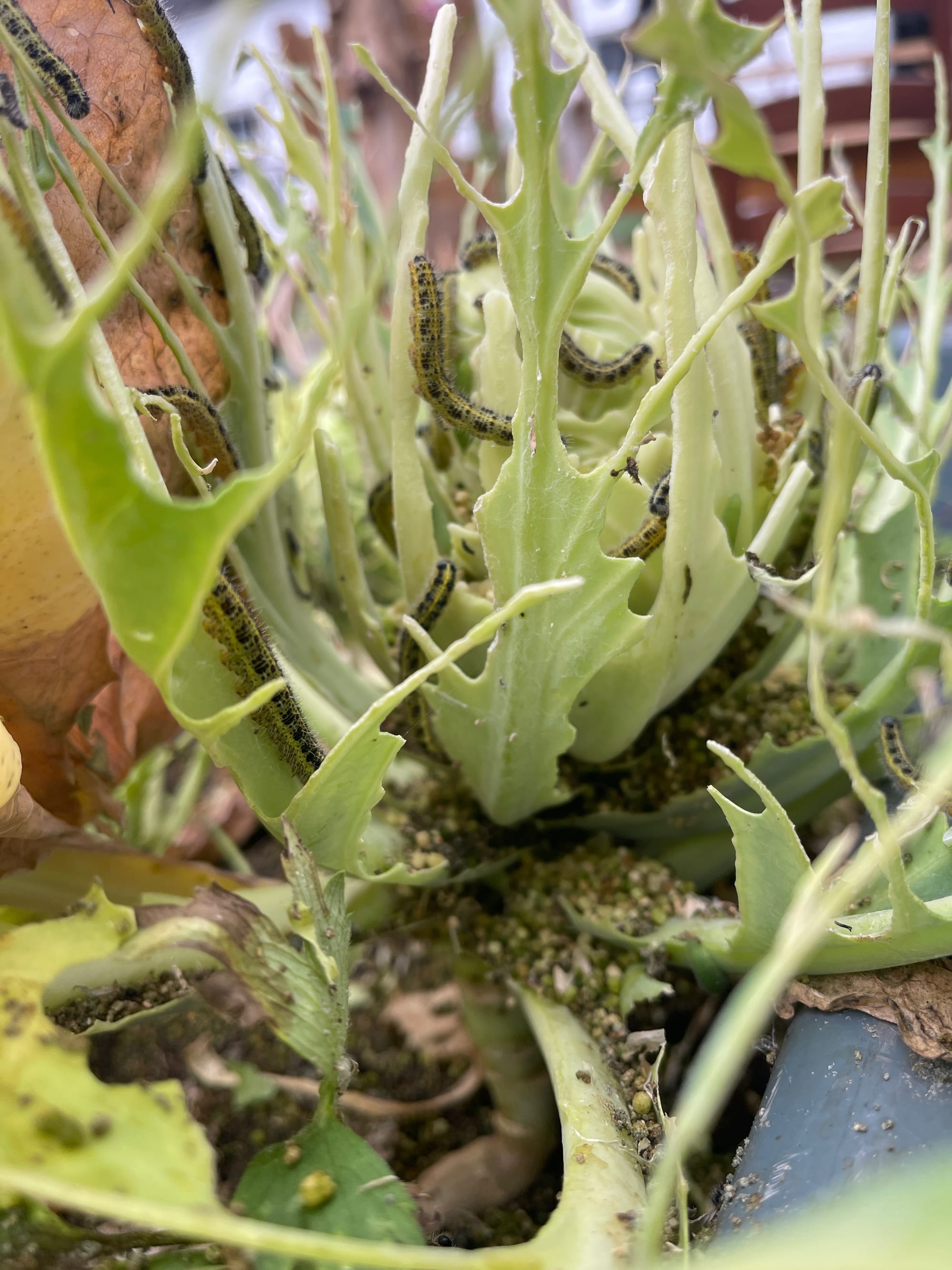
I have probably intellectualised this enough. Here are some pictures.
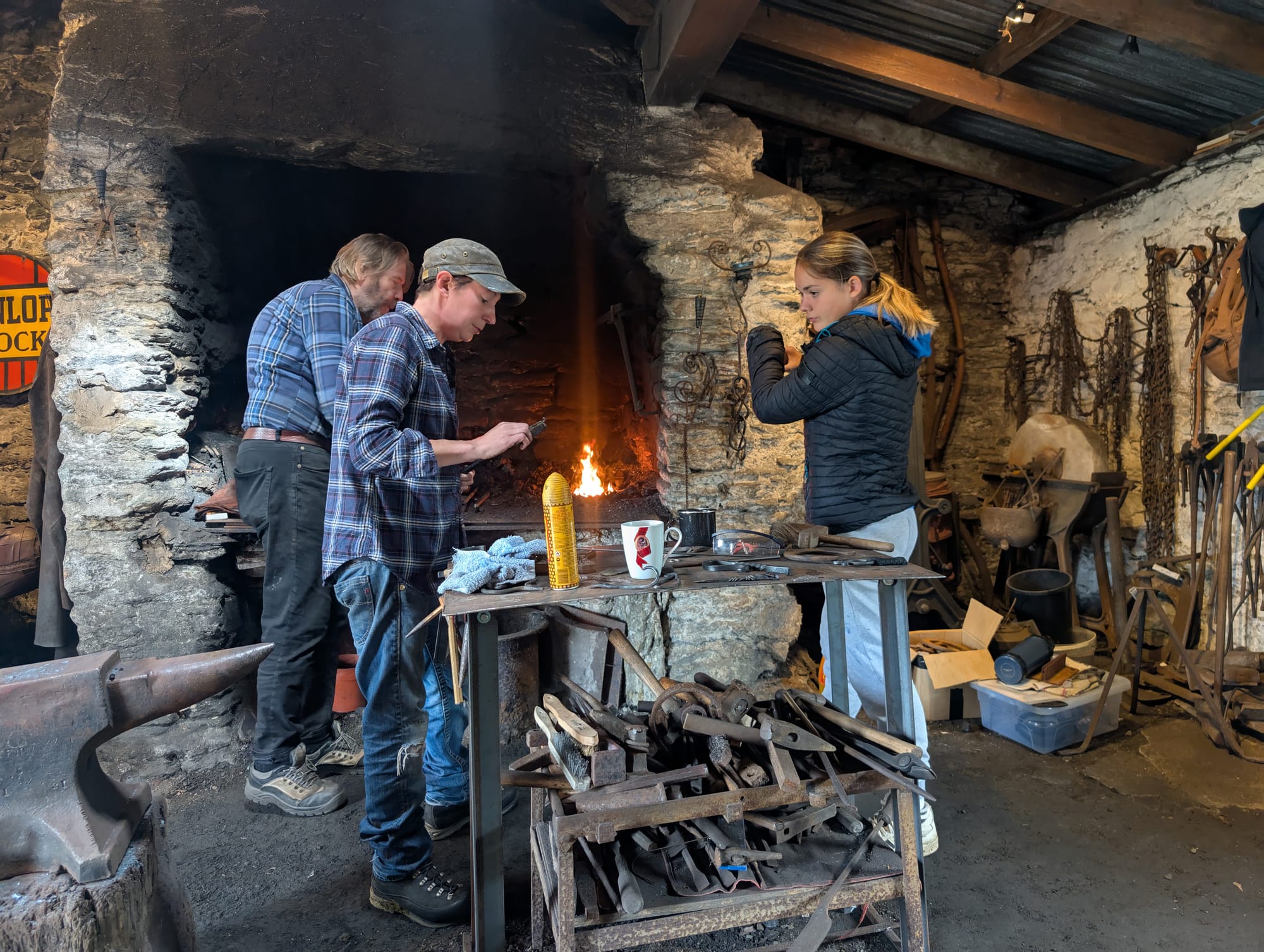
Nature immersion
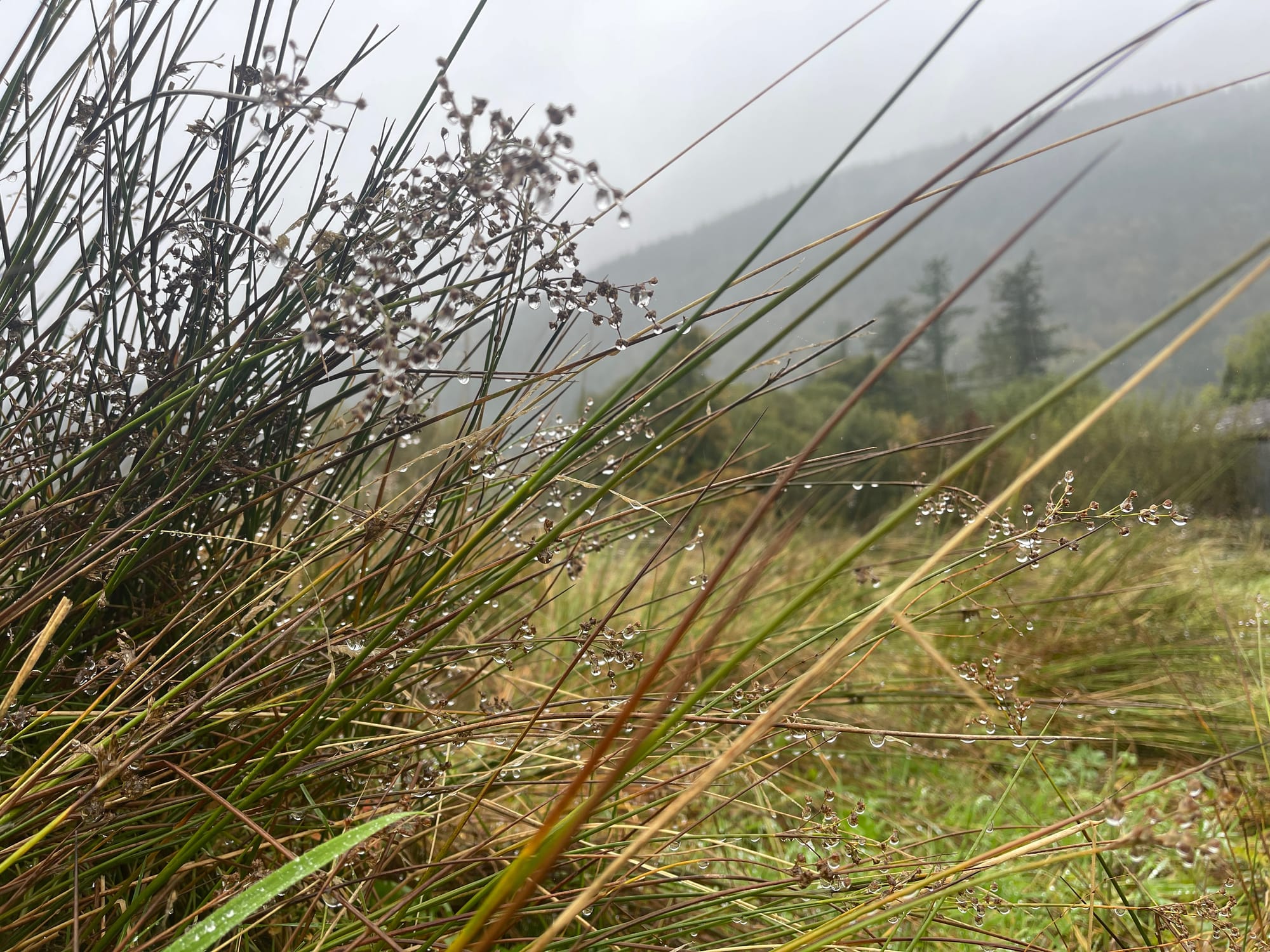
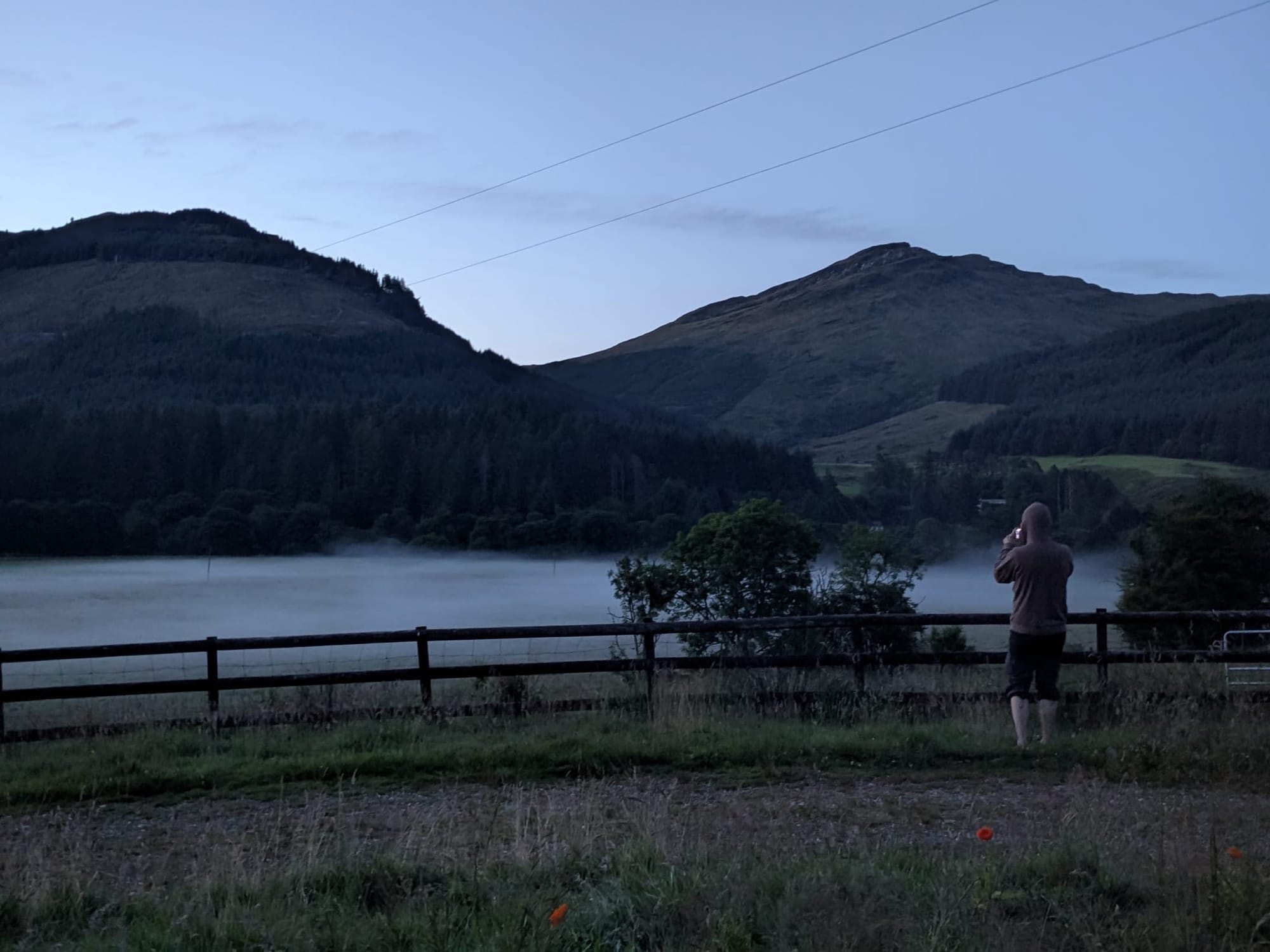
What Glenshellish as a place does best is offer immersion in nature.
When we first moved here, I became mildly fixated on the sound of what I thought was constant traffic across the valley. I felt as though I could hear cars all the time. It took me a couple of weeks to realise that what I was hearing was not the road. In hindsight, that would have been unlikely. There are not nearly enough cars on that road to produce the steady hum I imagined.
What I was hearing was water. The constant sound of water rushing down the hills and into the stream that borders the Glenshellish fields.
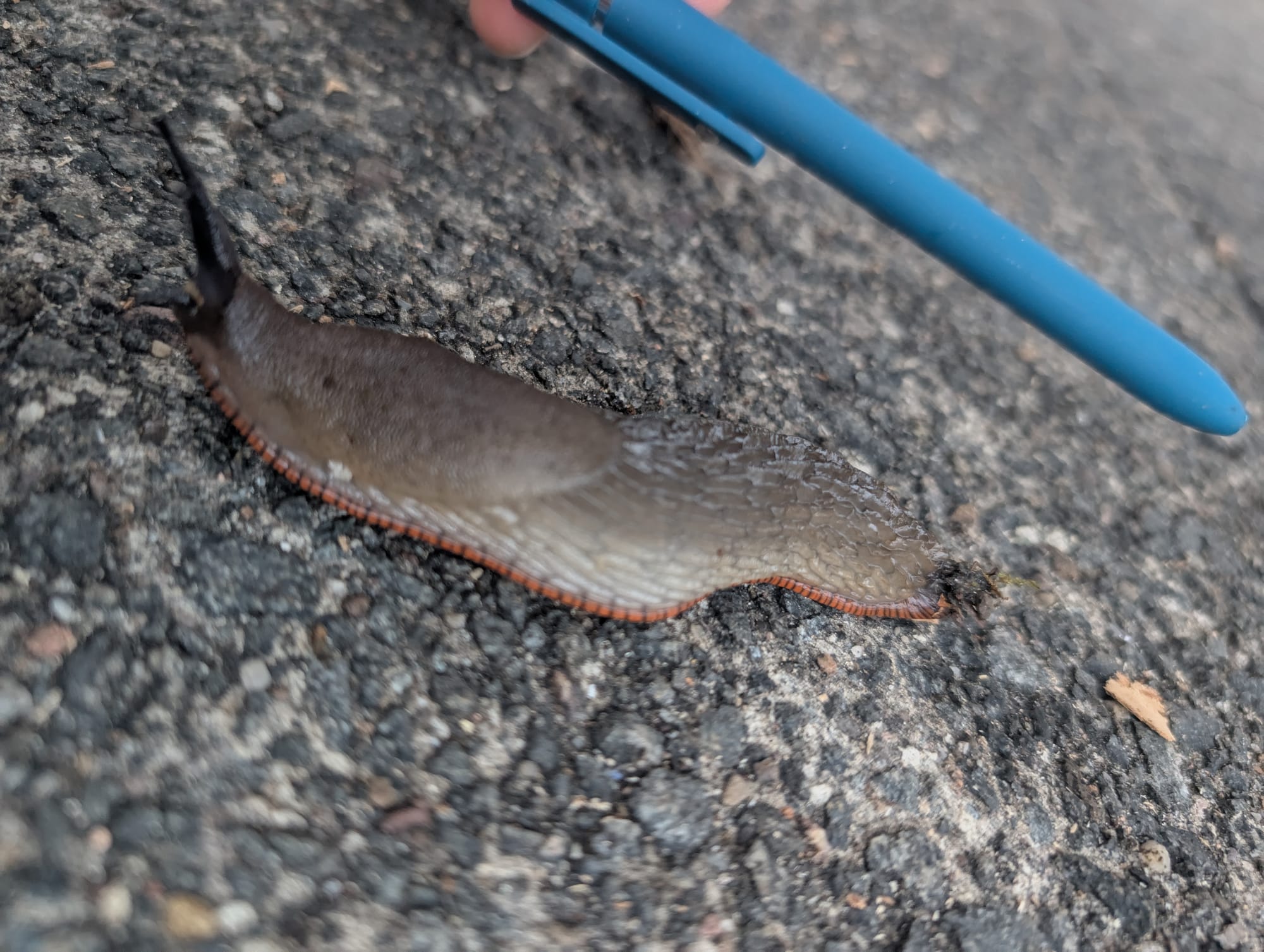
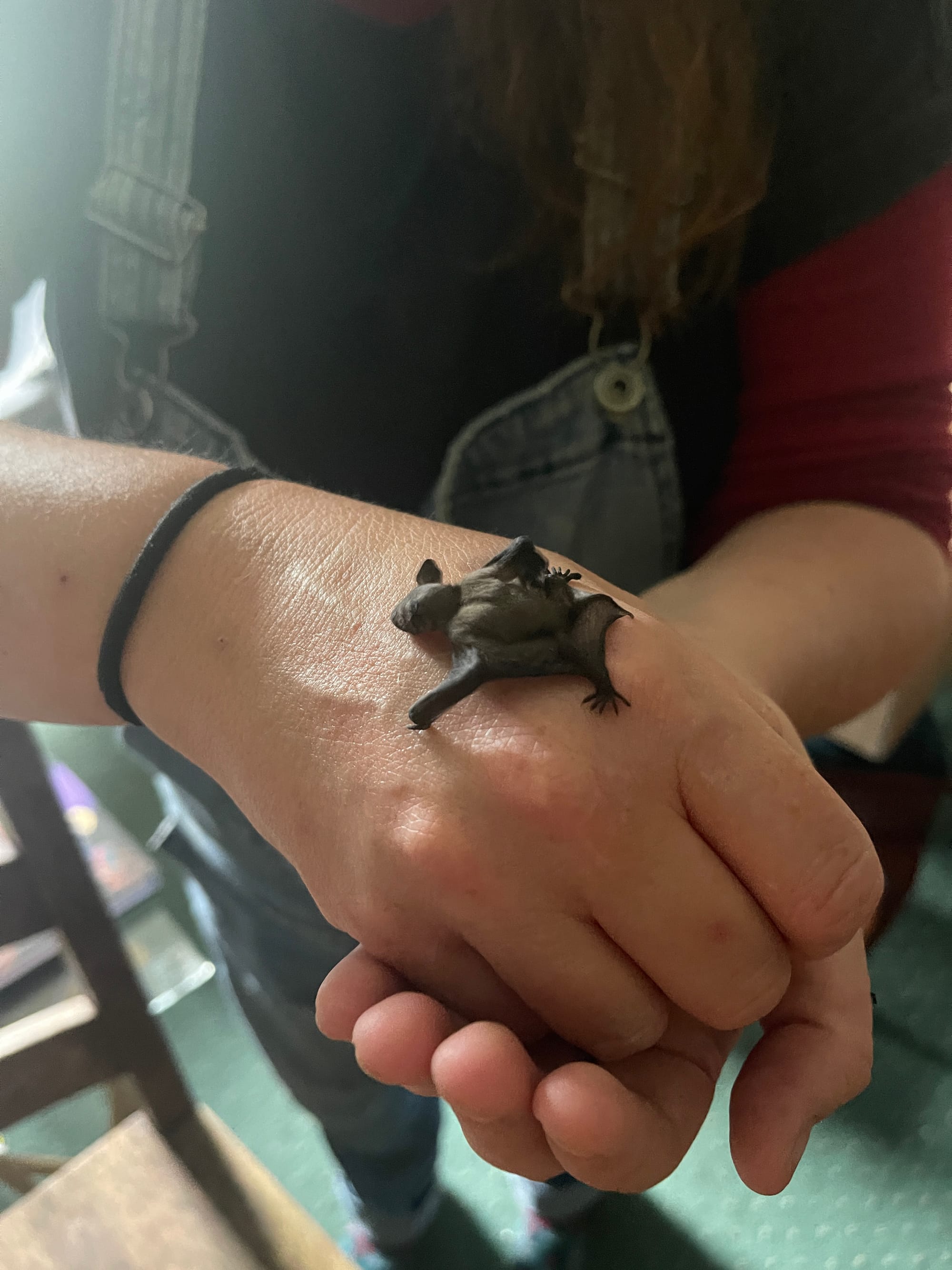
Life here is abundant. The temperate rainforest produces extraordinarily clean air. You can step outside the door and walk towards waterfalls, hills and forests where moss creeps up lichen-covered trees and ferns sprout from branches.
Of the people who spent time at Glenshellish in 2025, it often seemed that those who leaned most fully into this immersion in nature felt the strongest effect. Not in a dramatic way, but in a quiet recalibration.
Shared practical purpose
Beyond food, play and nature, there is something deeply binding about shared, practical work.
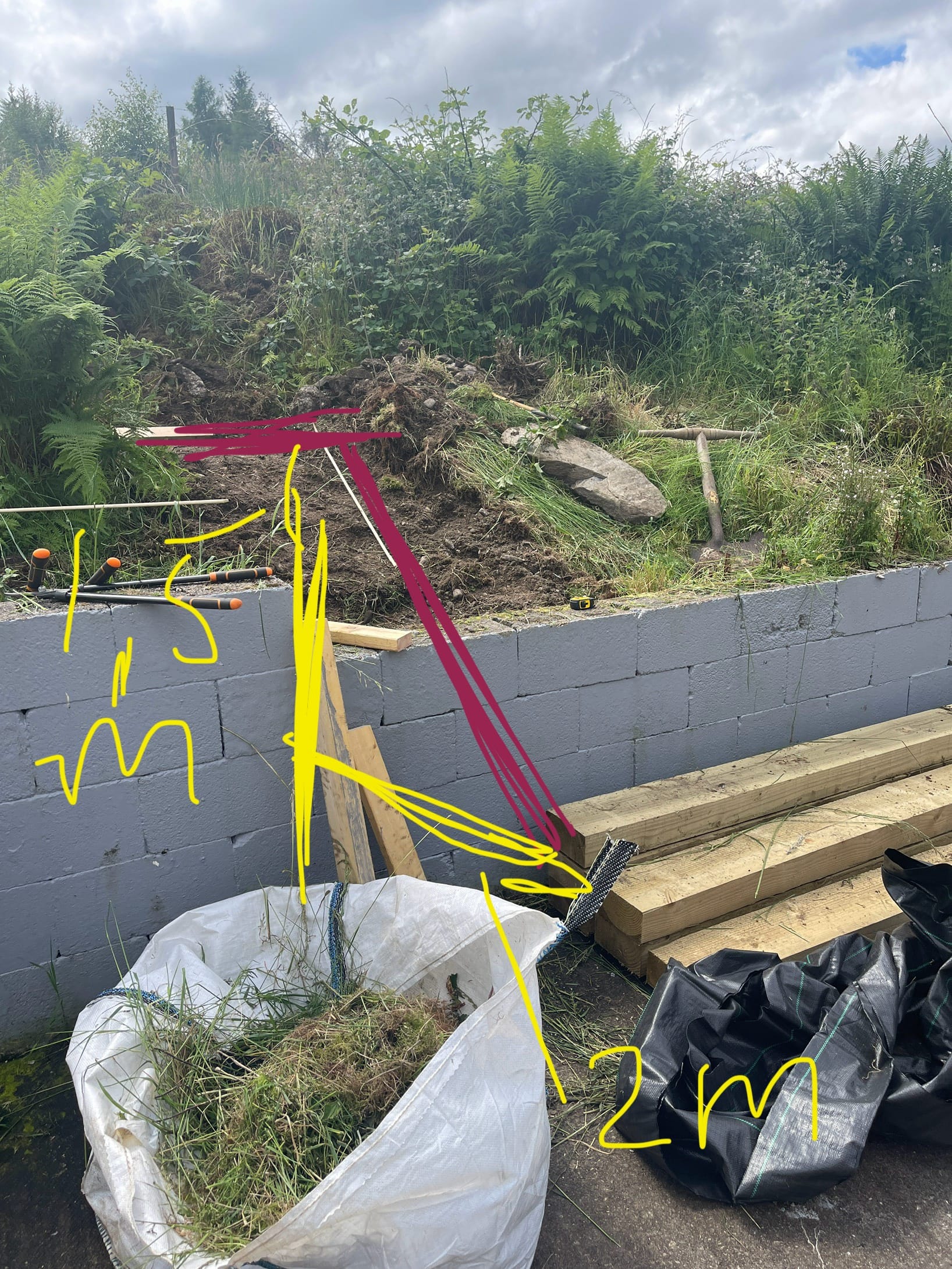
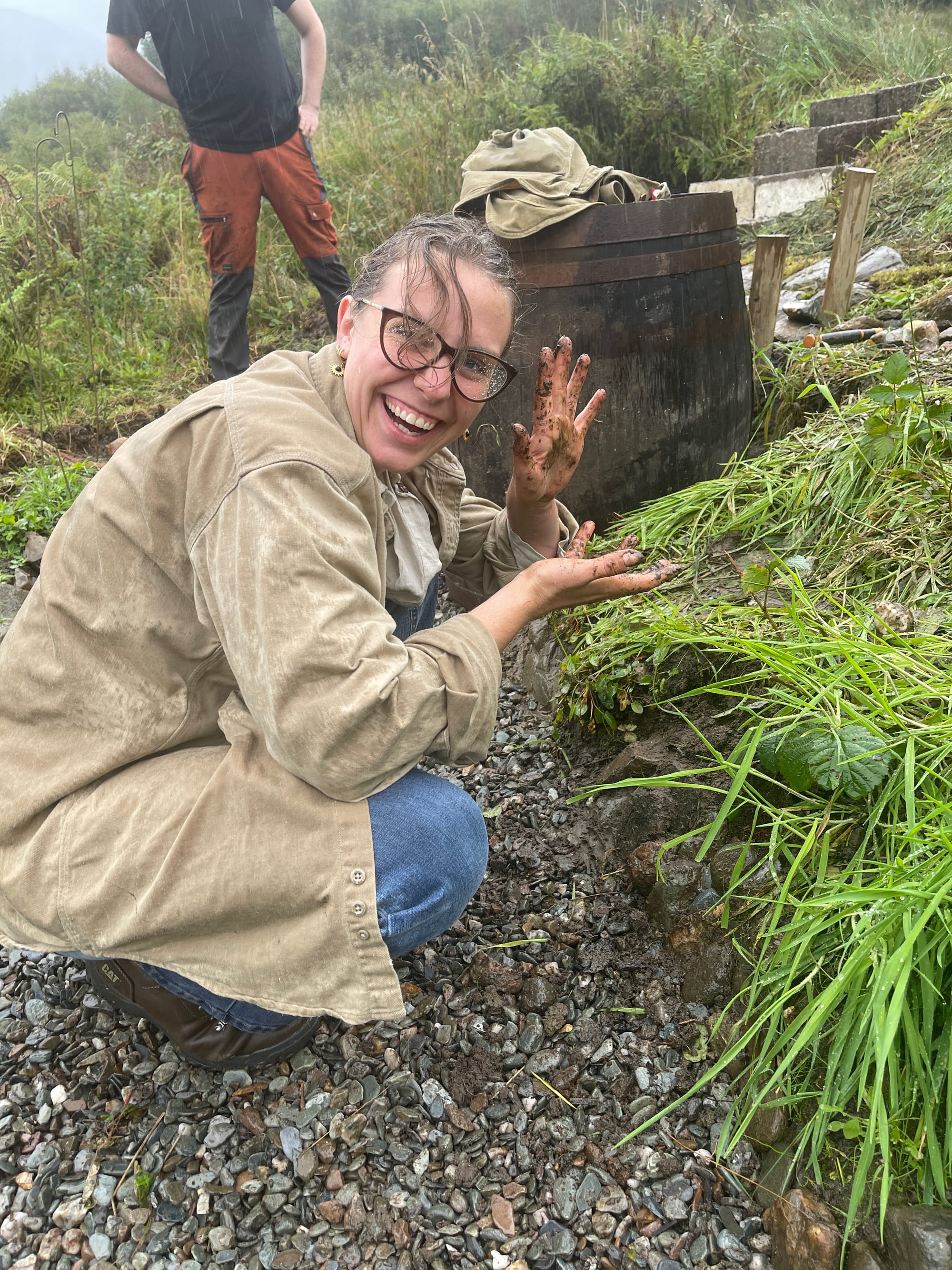
Digging a drain. Building steps. Moving wood. Clearing a path. Feeding animals in the rain.
These are not abstract tasks. They are concrete and often physically demanding. They require coordination, communication and trust. You have to agree on what you are trying to achieve and then work towards it together.
There is a particular satisfaction in standing back at the end of a day and being able to point to something that did not exist that morning. A gate. A bench. A cleared waterway.
The work itself becomes part of the social fabric.
Living in transitionary community at Glenshellish has shown me that meaning often emerges at the intersection of these elements: cooking and eating together, playing together, immersing ourselves in nature, and working towards something tangible.
None of these on their own are revolutionary. But together they are beginning to feel like they are pointing in the direction of a more intentional, grounded way of life.